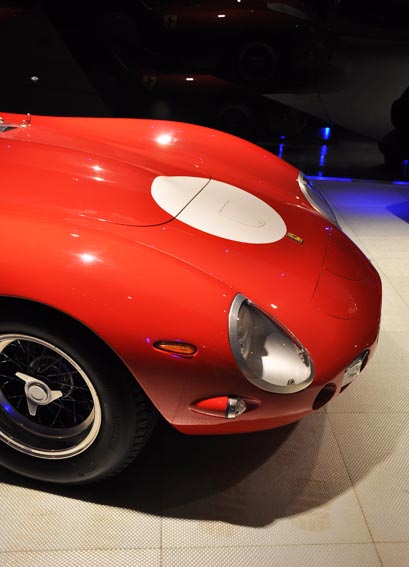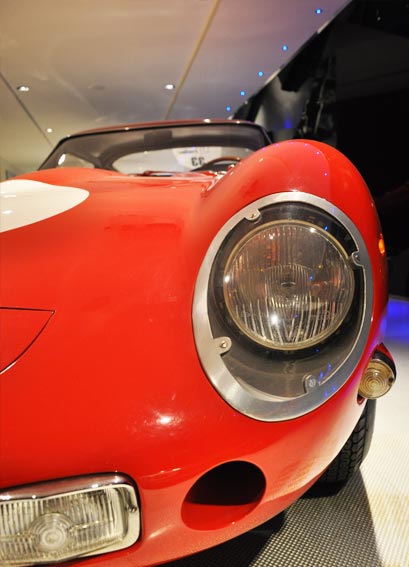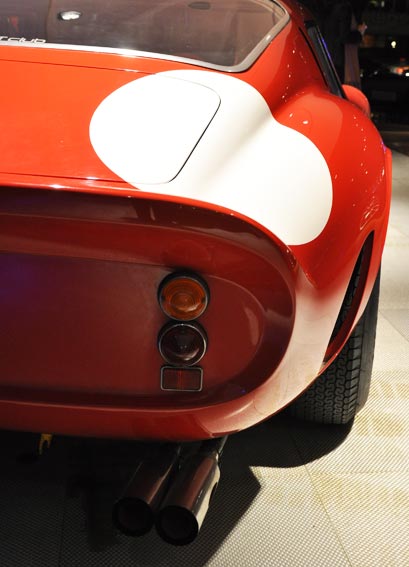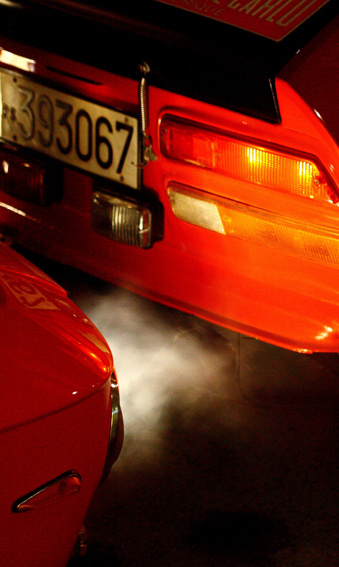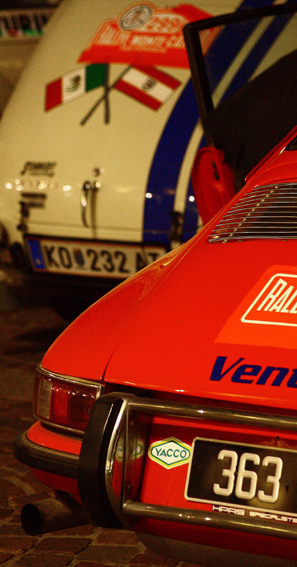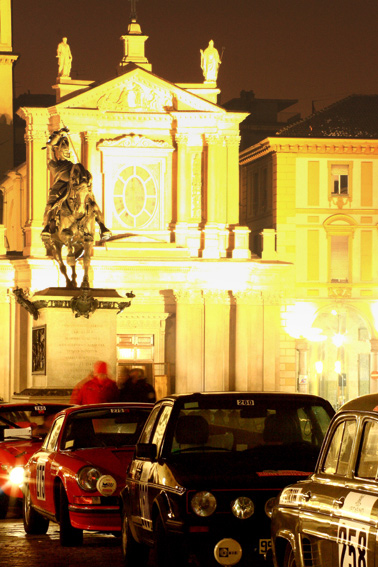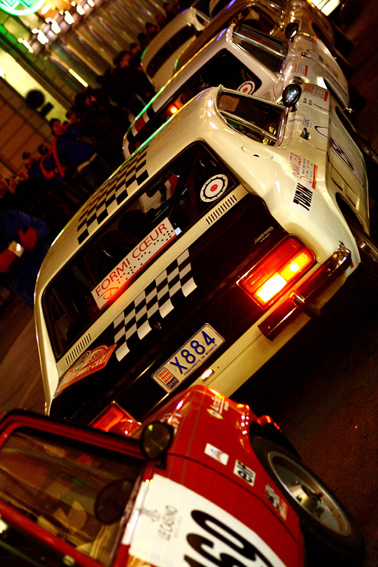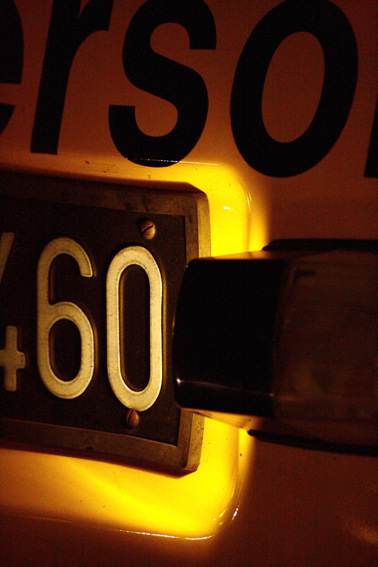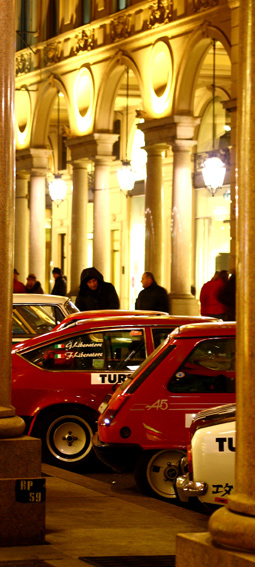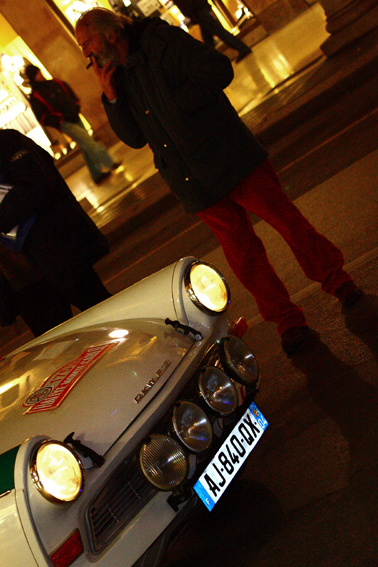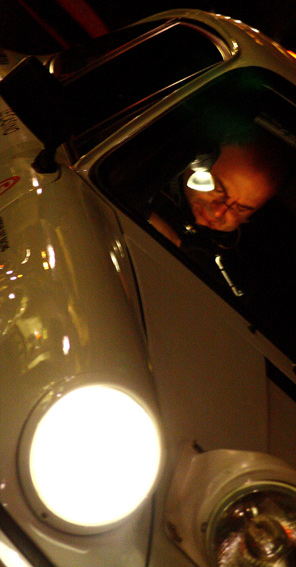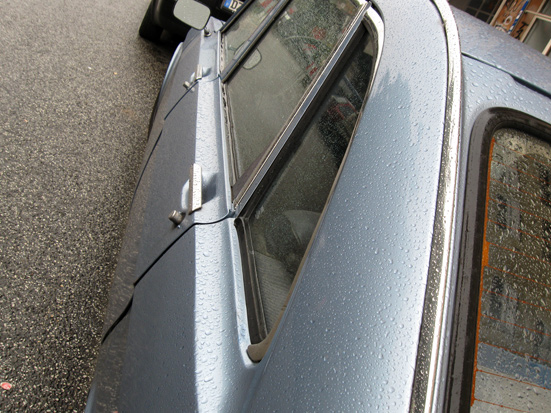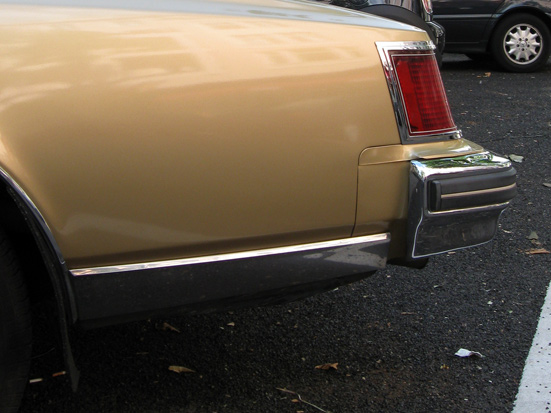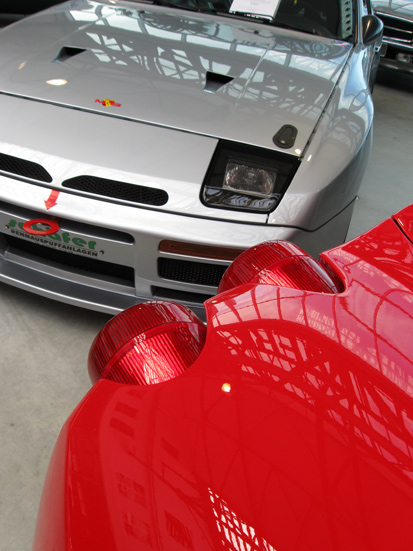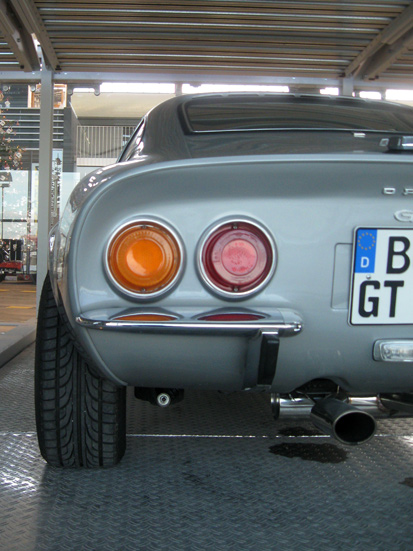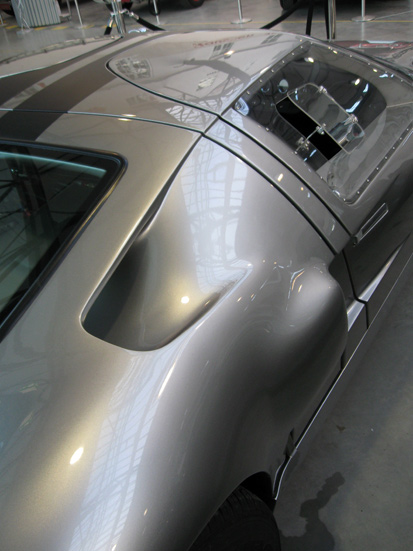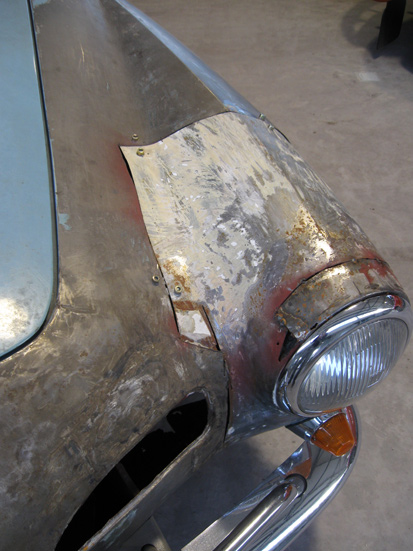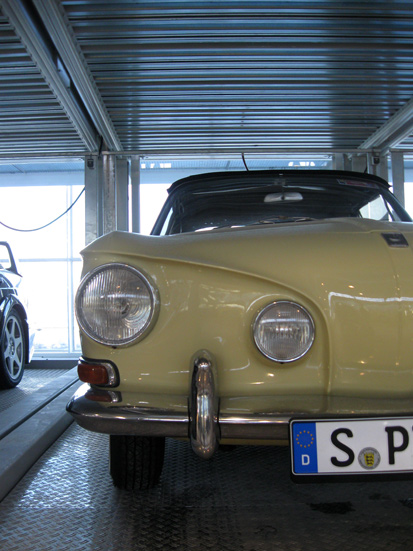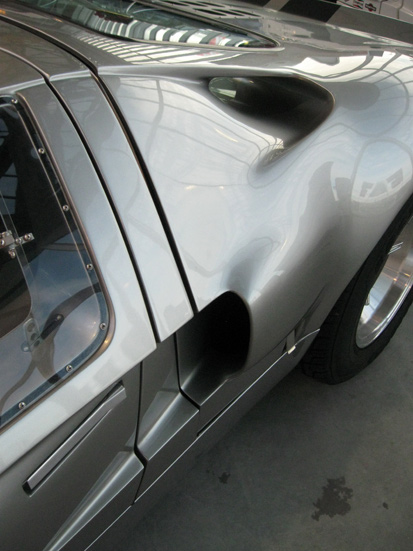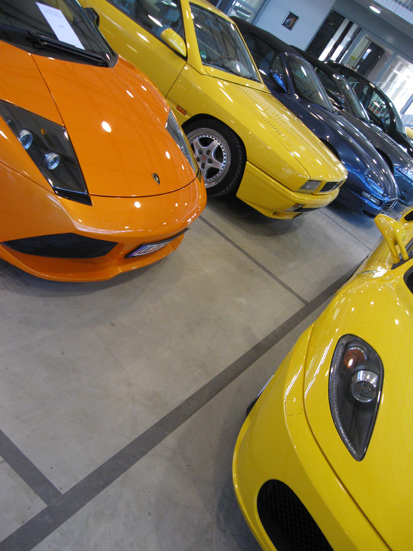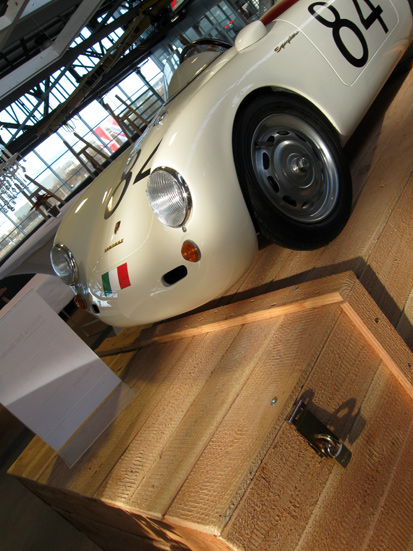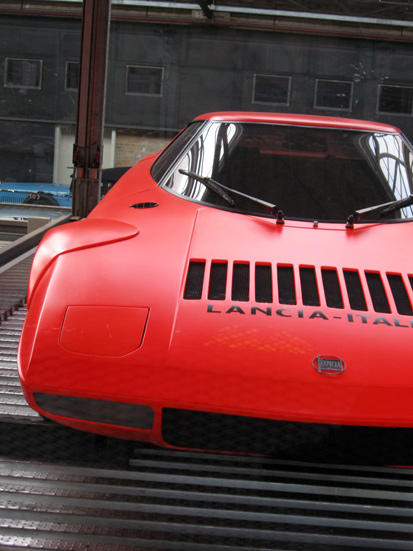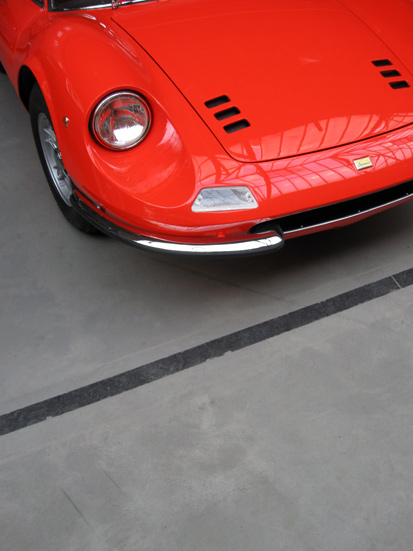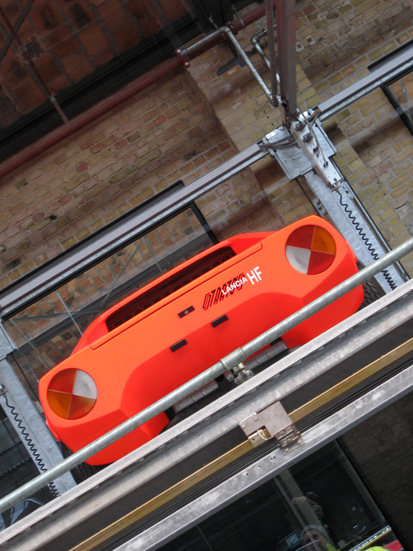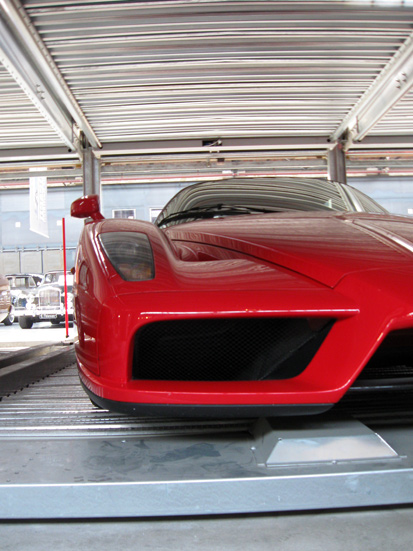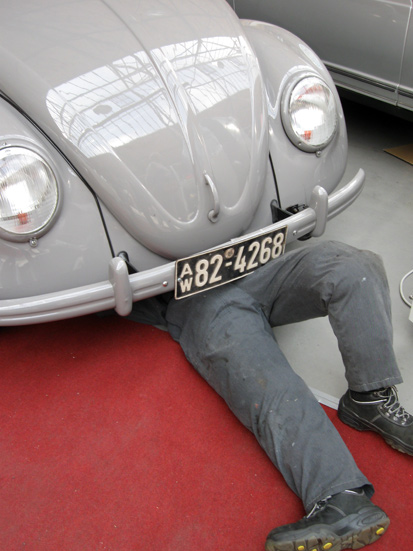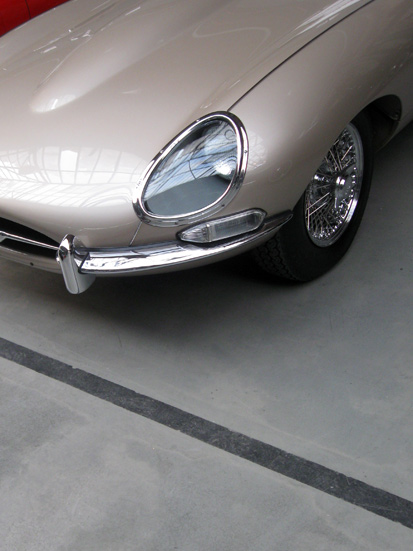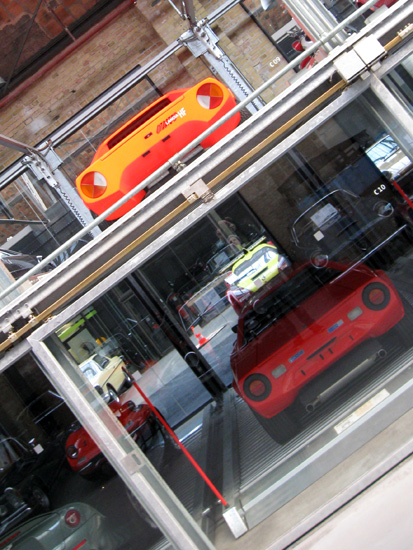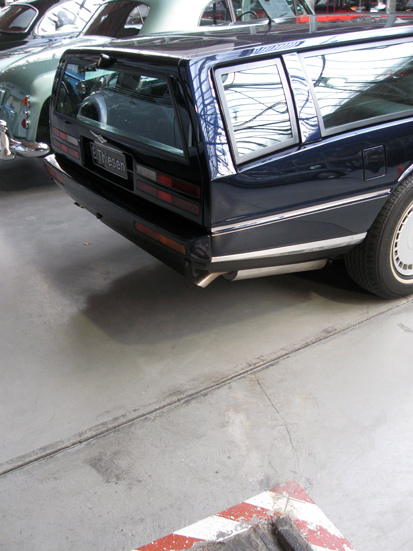
Rückspiegel: Salone Internazionale dell’Automobile di Torino 2000

Aus der Tiefgarage meiner Harddisk.

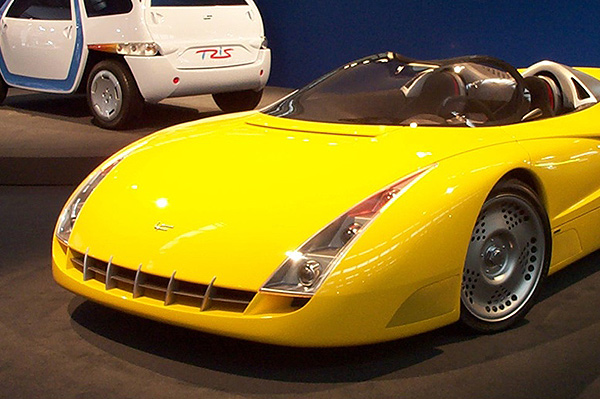
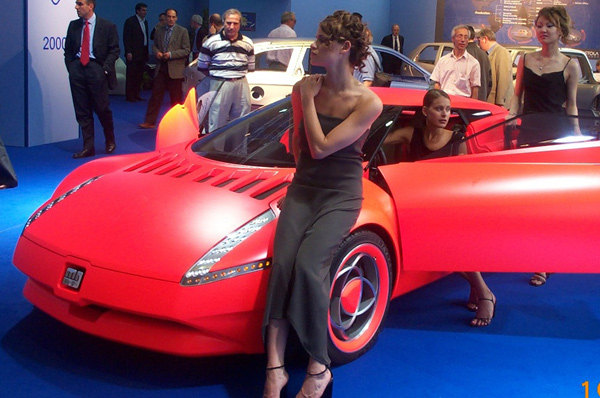
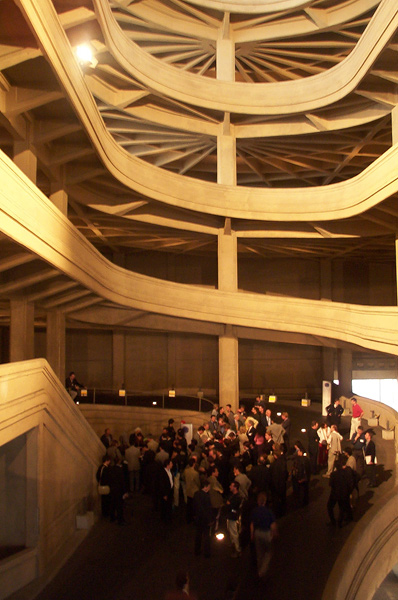
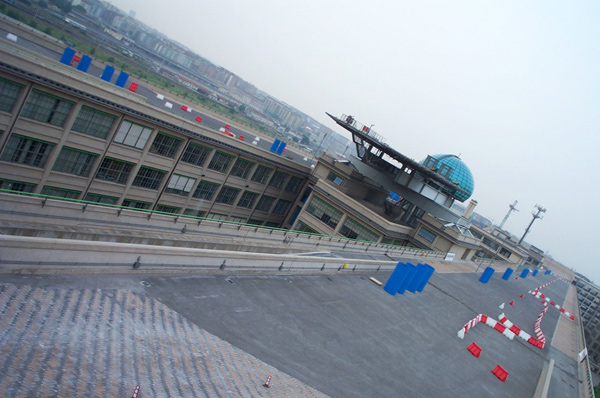
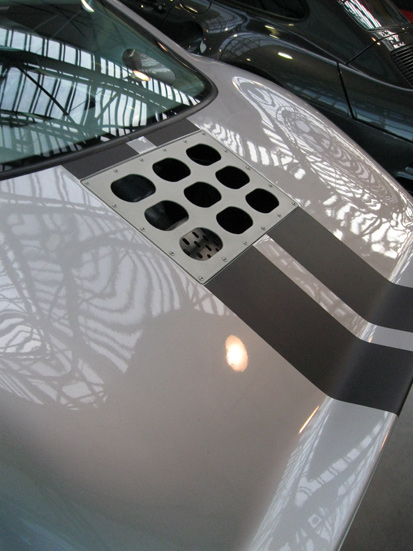
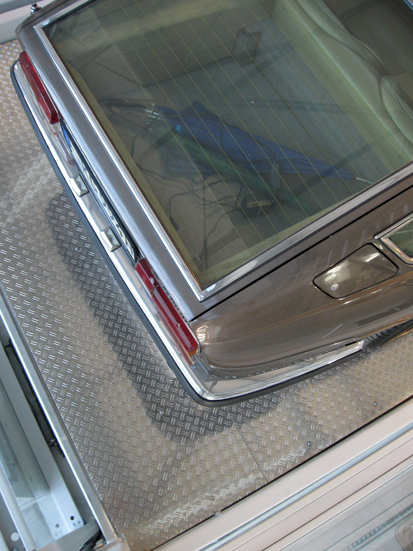
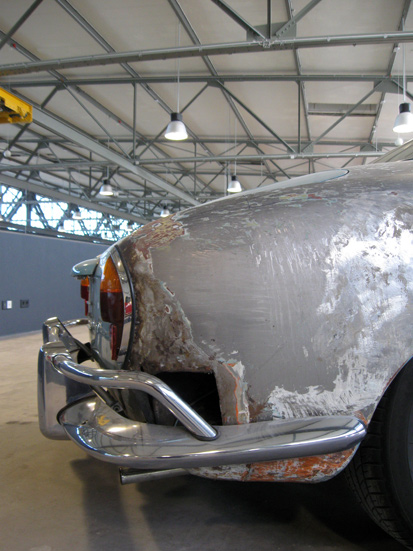
Kinder, wie die Zeit vergeht. Vor knapp 10 Jahren wurde im Juni 2000 zum 68. und zum letzten Mal im ehrwürdigen Lingotto der Turiner Autosalon, offiziell Salone dell’Automobile di Torino, abgehalten. Die Messe fand erstmals im April 1900 in der Palazzina delle Belle Arti im Valentino-Park statt und war über Jahrzehnte hinweg eine weltweit bekannte und beachtete Automobilausstellung. Die Hallen der Torino Esposizioni (Pier Luigi Nervi) waren für die meiste Zeit der historische Veranstaltungsort des Automobilsalons. Nicht nur die einheimischen Fahrzeughersteller und Karosseriebauer feierten in Turin die Premieren zahlloser Prototypen und Konzeptstudien. Auch viele ausländische automobile Neuheiten wurden in der Hauptstadt des Piemont erstmals dem Weltpublikum gezeigt. Spektakulär waren die Premieren der Mercedes-Benz SLK Studie 1994 und des Produktions-SLK zwei Jahre später.

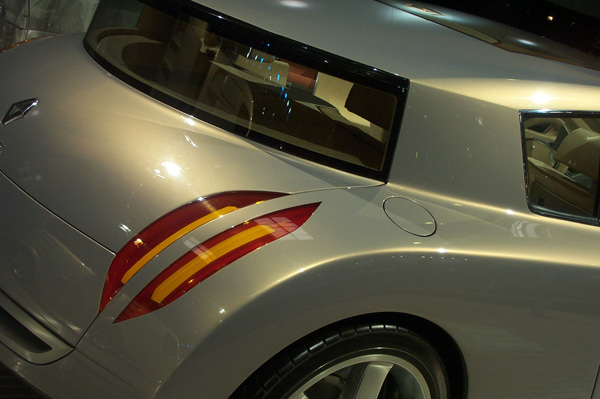
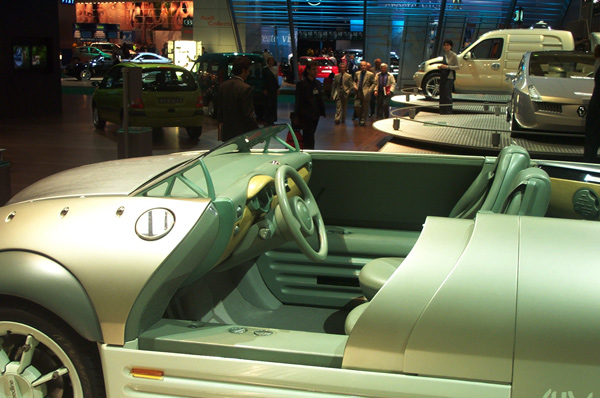
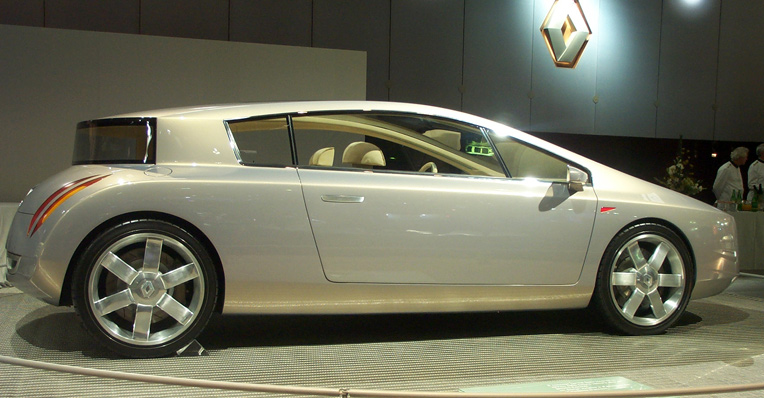
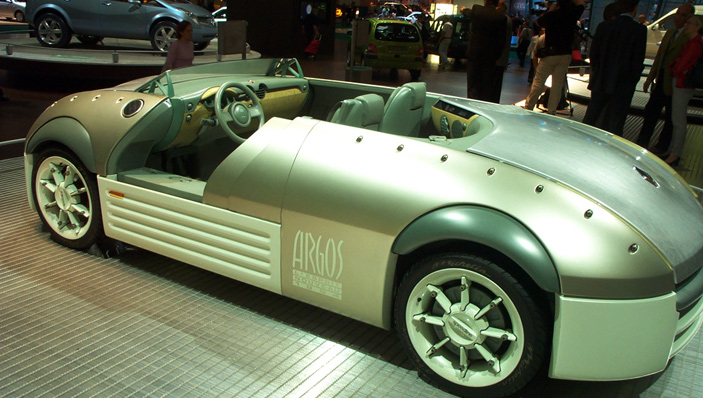
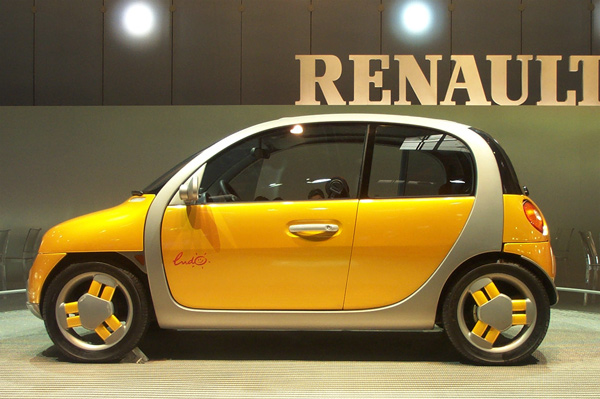
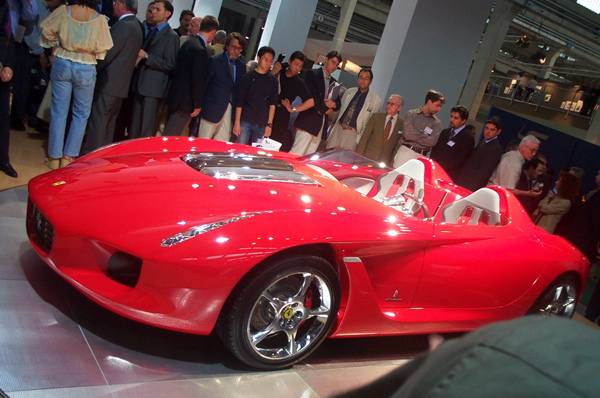
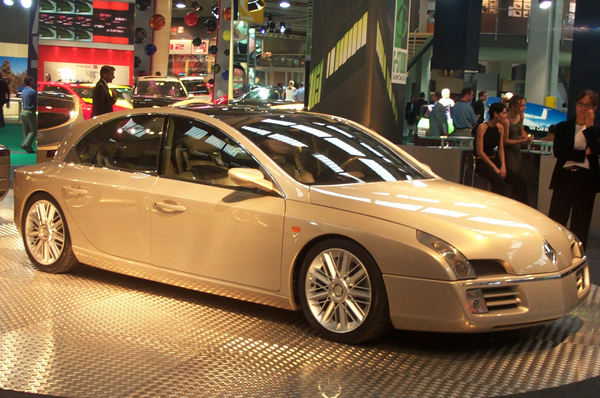
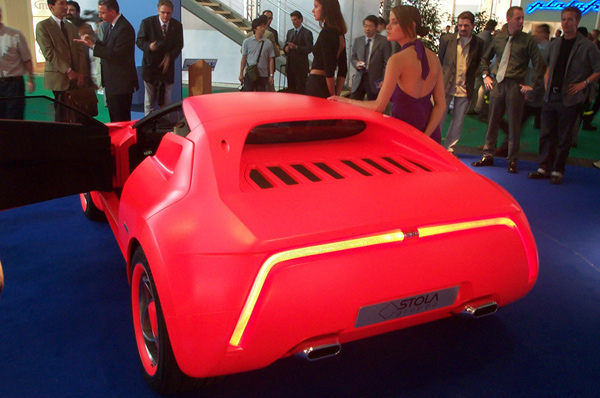
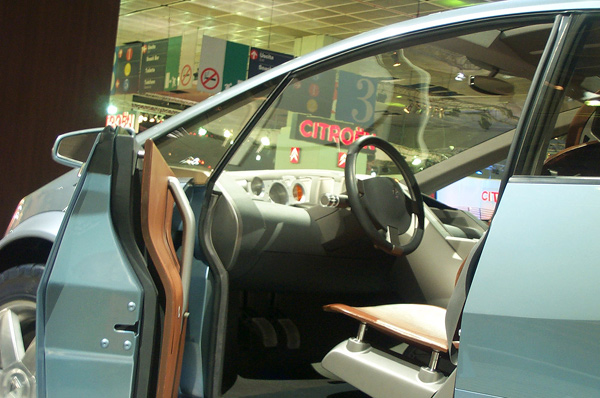
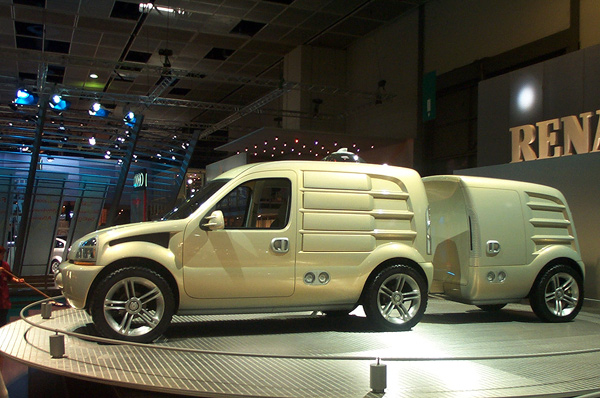
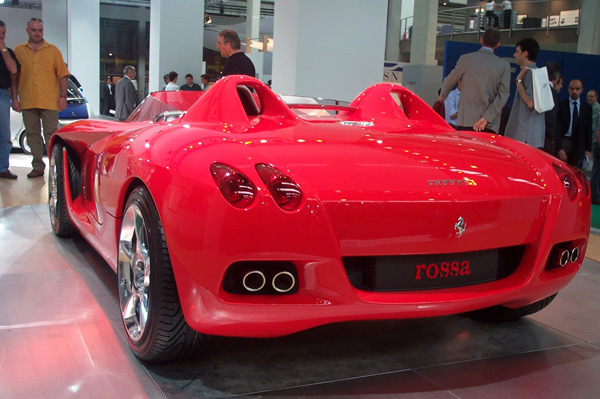
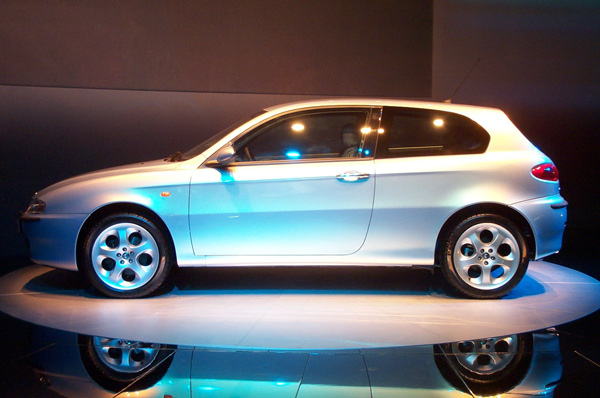
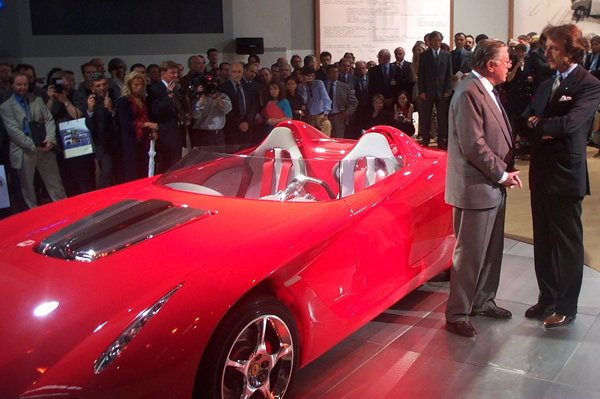
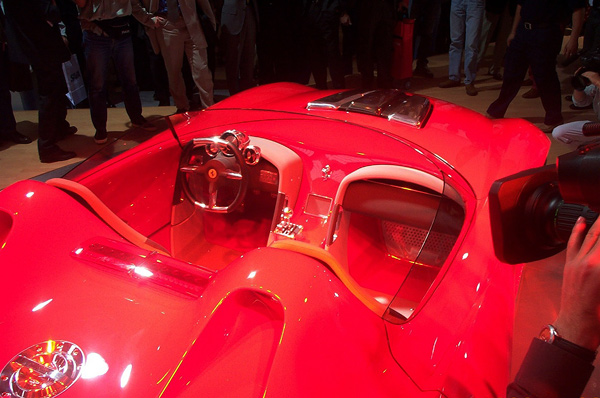
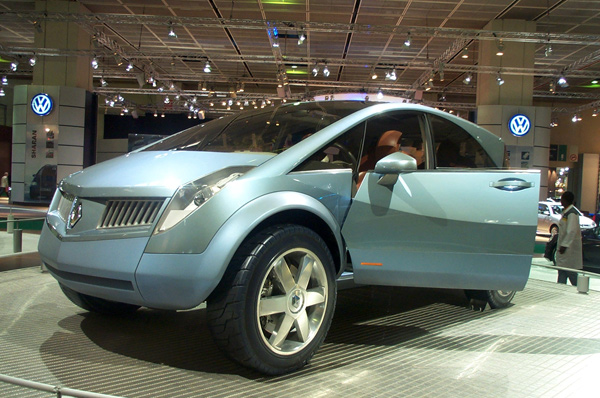
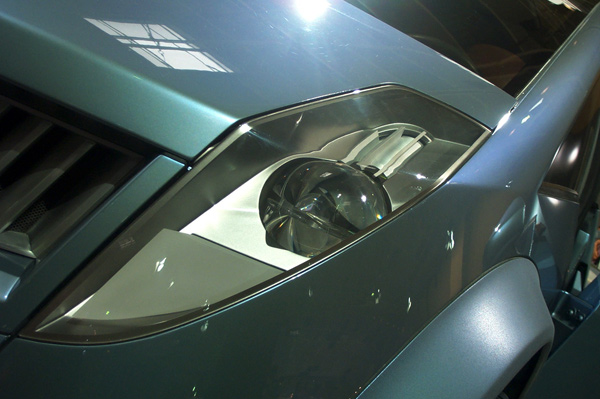
Für die Community der Autodesigner um die Jahrtausendwende war Renault Design die heilige Kuh schlechthin. Der französische Hersteller ließ es 2000 im Lingotto knallen und alle seine Concept-Meisterwerke der vorangegangenen Jahre gemeinsam antreten: Argos. Initiale. Vel Satis. Ludo. Koleos. Pangea. Der Pininfarina Rossa war die schöne Ausnahme unter den schwächelnden Carrozzieri. Der Fiat-Konzern war bereits in seiner tiefen Krise angekommen. So zeigte die Gruppe unter Cantarella und Testore damals lediglich den Serien-Alfa 147 in Vorabpremiere. Die Zurückhaltung bzw. das Desinteresse der Italiener auf ihrer traditionsreichen Heimatmesse war dann auch der Sargnagel für letztere.

Pics von Lorenz Bittner und Markus Haub.

torino09.jpgtorino17.jpg

torino02.jpgtorino05.jpgtorino07.jpgtorino08.jpgtorino20.jpgtorino21.jpgtorino19.jpgtorino16.jpgtorino22.jpgtorino23.jpgto18.jpgtorino10.jpgtorino11.jpgtorino12.jpgtorino14.jpgtorino15.jpgtorino31.jpgtorino28.jpgtorino30.jpg

torino24.jpgtorino03.jpg

Joost Conijn – Hout Auto

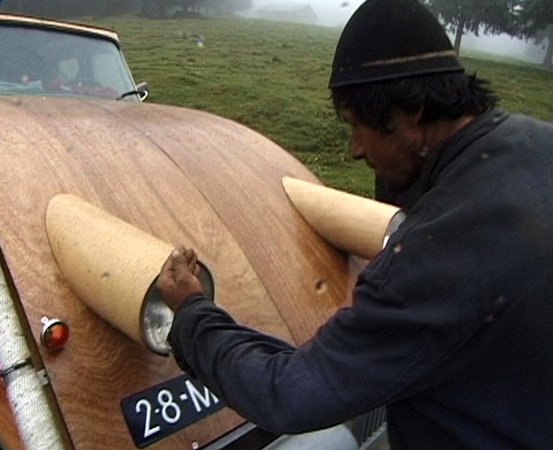
Hout Auto. Wooden Car. Holzauto.

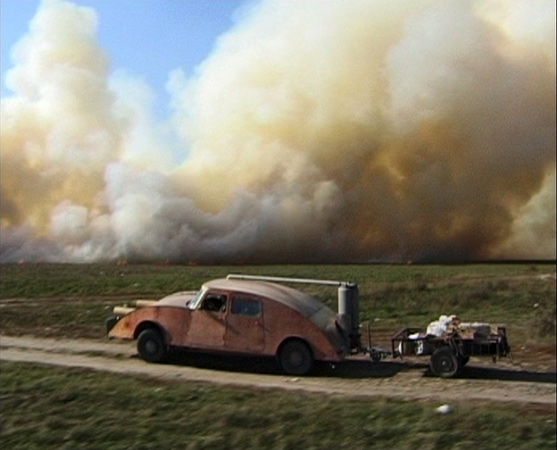
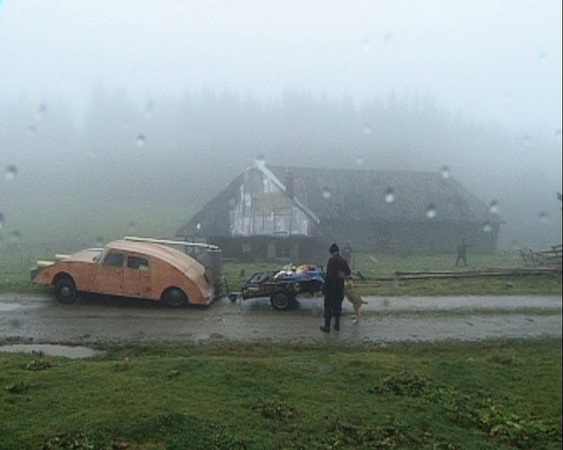
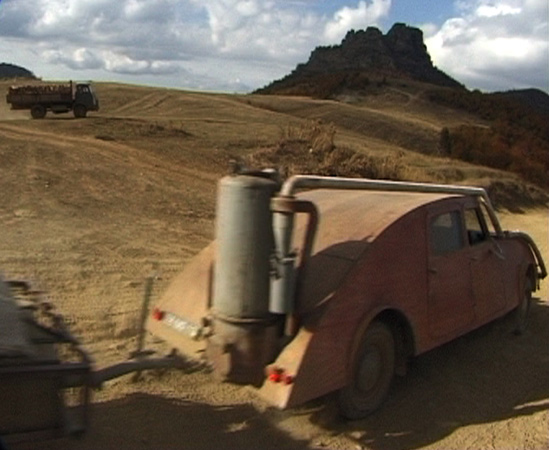
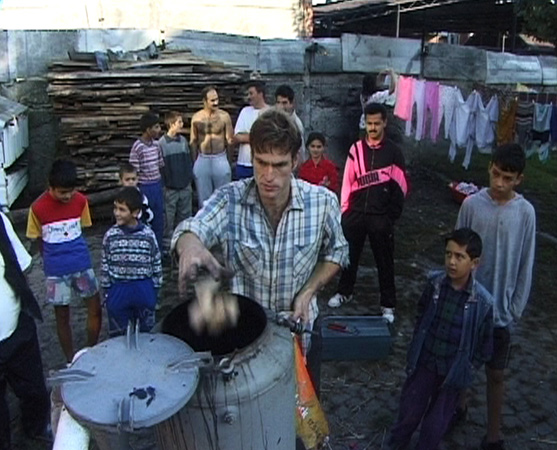
Wooden car is a film that shows a journey with a selfbuilt wooden car. According to an old technique, used in the second world war, this car uses wood as fuel, instead of petrol. The journey goes, among other countries, through Roumania, Oekraine and Albania. Wood is the thread running through it; independent of petrol, through woods and along saw-mills, over uncultivated roads. It is in this search for wood, that many unforeseen events and spontaneous meetings with people take place. More and more total different aspects of the – often seen as black countries – of Eastern Europe turn up. Joost Conijn

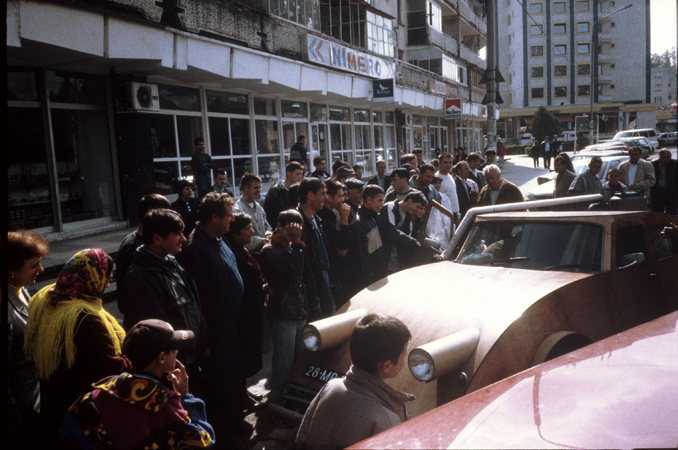
Ursel Nendzig beschreibt im aktuellen Biorama-Heft die Geschichte und Idee von Joost Conijn’s Holzauto. Das Ganze klingt wie ein Traum. “Schon immer ist er viel gereist. Joost Conijn, der gebürtige Holländer, und vor allem zog es ihn wie magisch in den Osten Europas. Und es störte ihn, dass alle sagten: Der Osten ist hinten nach, ist dem Westen unterlegen und unterentwickelt. Aber, sagte Joost Conijn, was soll das heißen, unterentwickelt. Es gibt schließlich Dinge, die im Osten viel höher entwickelt seien, Freundschaft und sozialer Zusammenhalt zum Beispiel. Er wollte reisen, in den Osten. Aber nicht einfach so. Er wollte unabhängig sein. Und er wollte langsam reisen, nicht einfach hinfliegen. Der Transport sollte ein Teil des ganzen Vorhabens werden. Und so kam dem Künstler langsam die Idee vom Holzauto. Schließlich gibt es im Osten wahnsinnig viel Holz, dachte er sich. Und das Fahren, das lag ihm schon als kleiner Junge im Blut, als er sich, gerade einmal sieben Jahre alt, selbst einen Führerschein bastelte.”*

Ein Citroen DS bildete die technische Grundlage für das Holzauto, das in seiner Form unbedingt an die frühen Tatra 77-Prototypen von Hans Ledwinka erinnert. “Der Antrieb, und das war der Kern seiner Idee, funktionierte mit Holz. Das sammelte er auf seiner Reise, immer, wenn er einen Ast oder ein altes Regalbrett am Straßenrand liegen sah, lud er es auf seinen Anhänger und fuhr wieder ein Stückchen.”* Conijn wurde so unabhängig, vor allem von den Ölriesen. Die Reise führte über Deutschland, Tschechien, die Slowakei, Ungarn, Rumänien nach Bulgarien, Mazedonien, Moldawien und schließlich in die Ukraine. Er fuhr dort bis in das Gebiet um Tschernobyl.

Joost Conijn

conijn001.jpgconijn002.jpg

conijn009.jpgconijn003.jpgconijn004.jpgconijn005.jpgconijn006.jpgconijn008.jpg

Zitate: * Ursel Nendzig: Das Holzauto. Biorama – Magazin für nachhaltiges Leben mit Stil, S. 42
Fotos: Copyright Joost Conijn. Mit freundlicher Erlaubnis für formfreu.de.

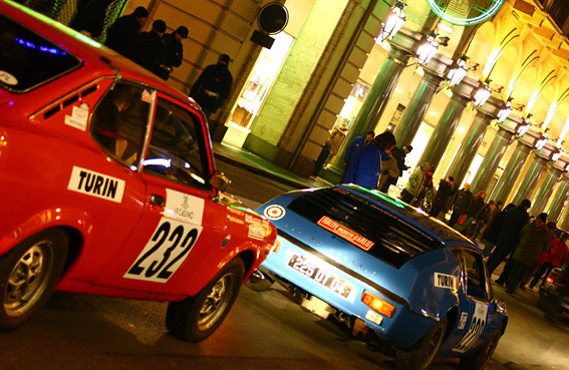
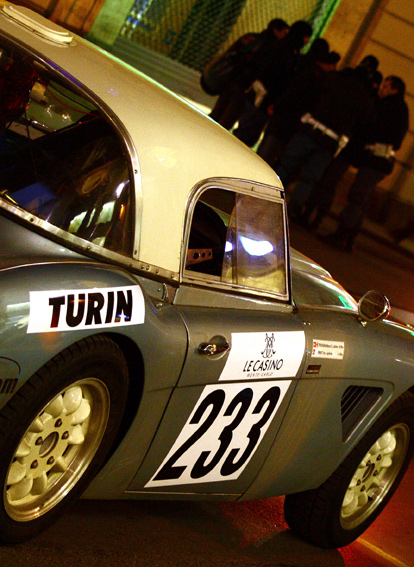
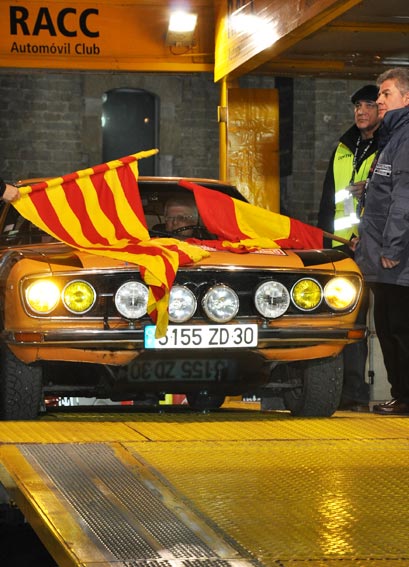
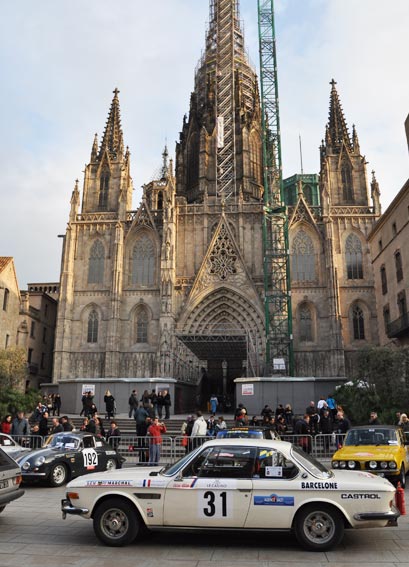
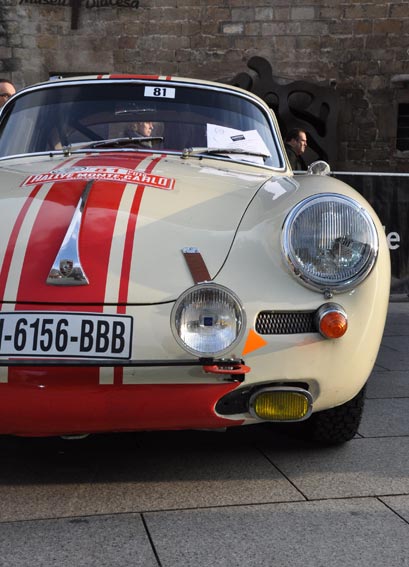
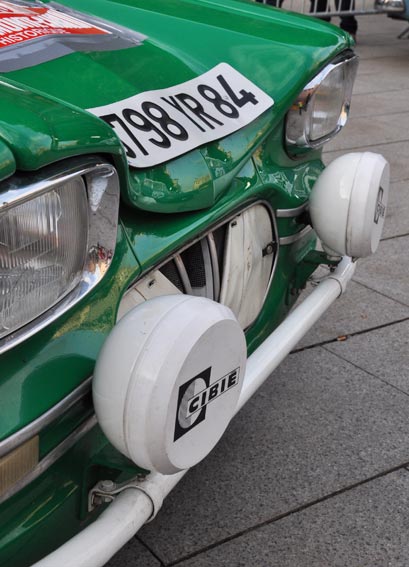
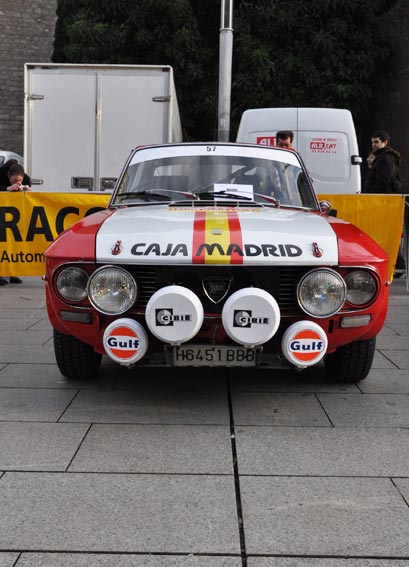
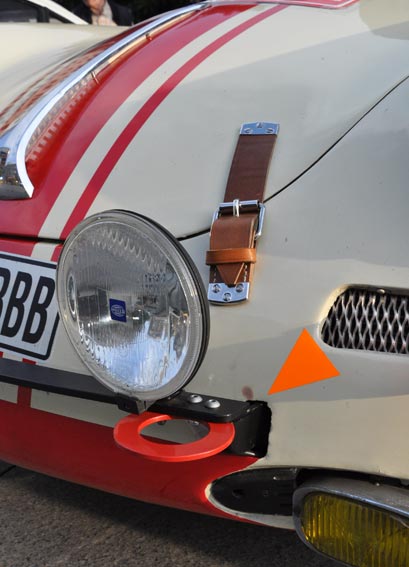
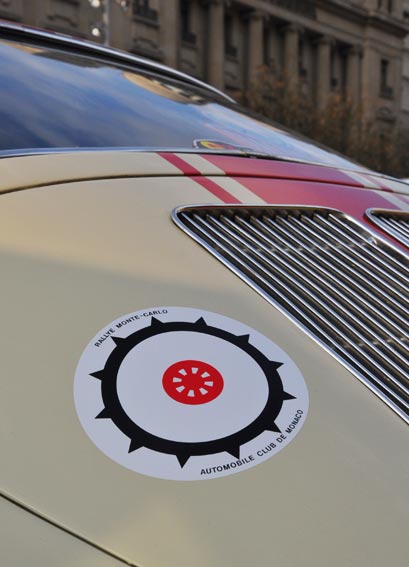
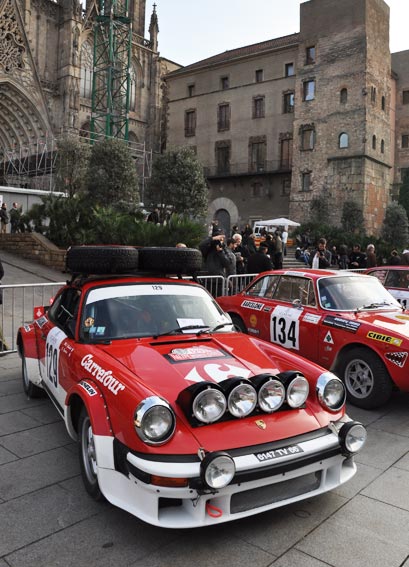
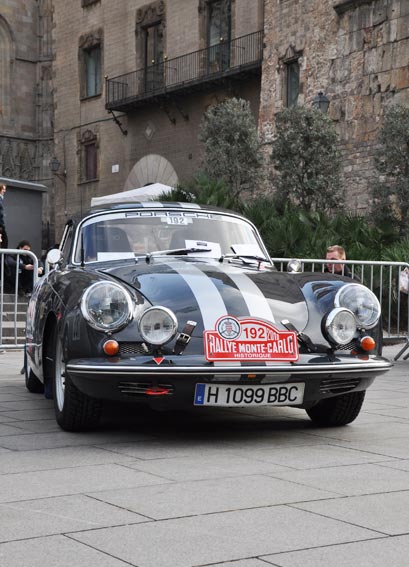
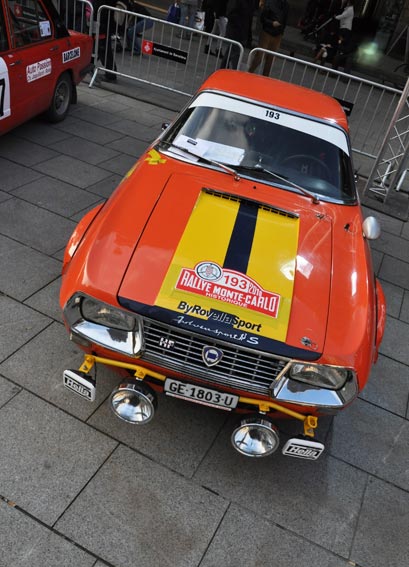
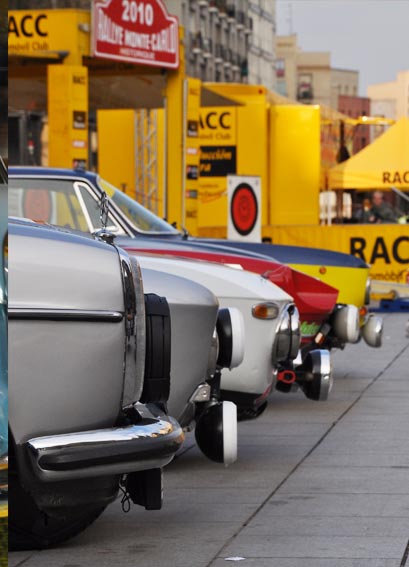
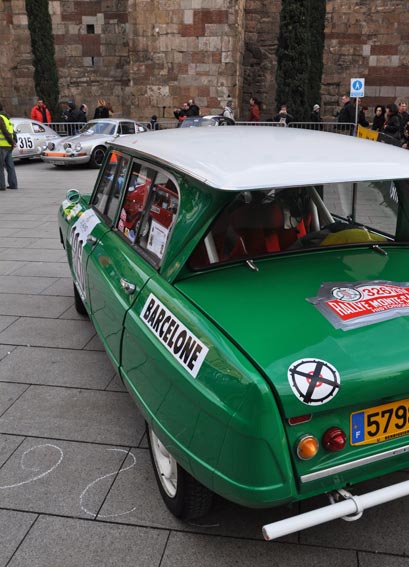
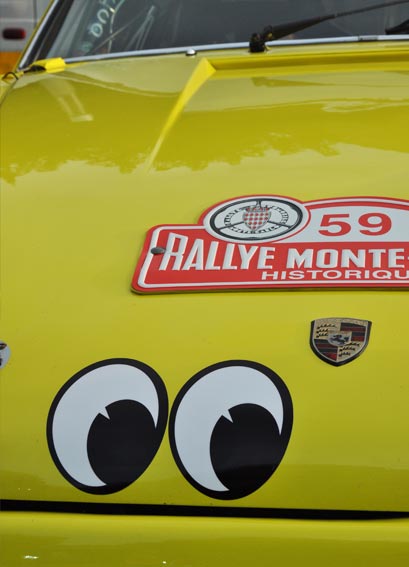
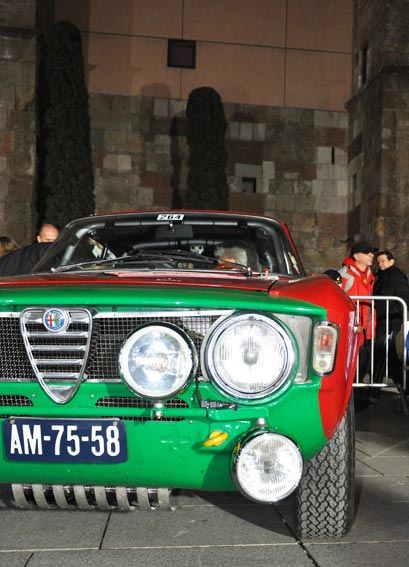
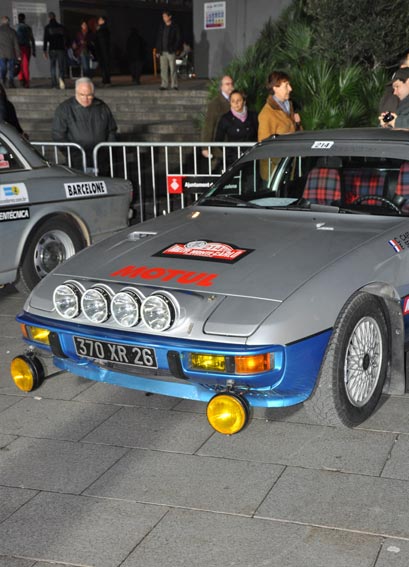
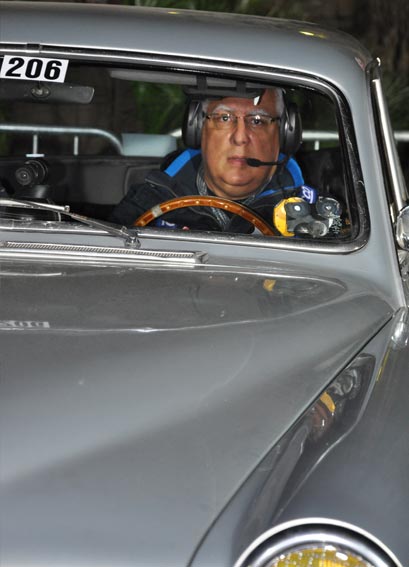
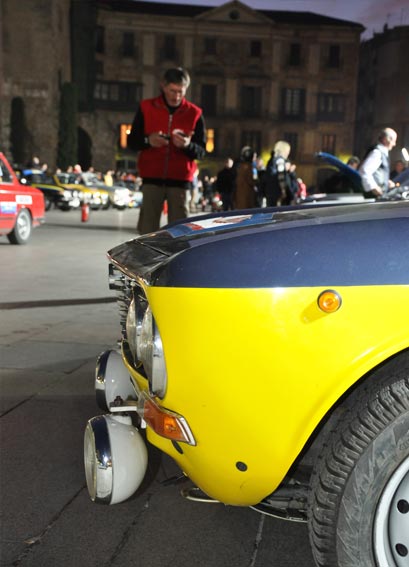
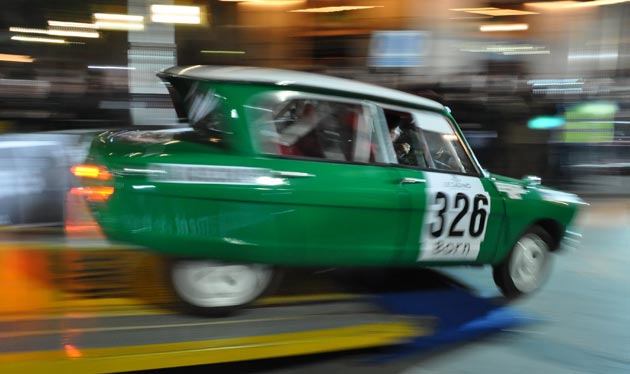
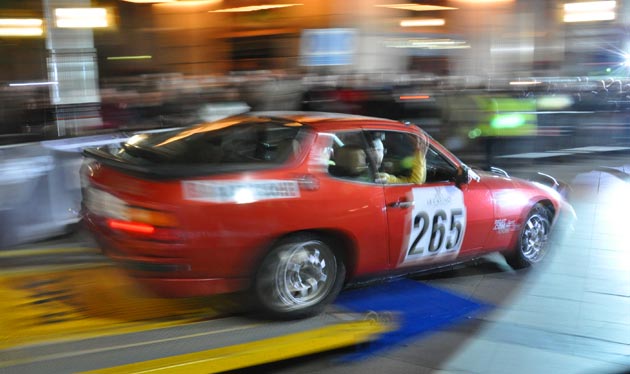
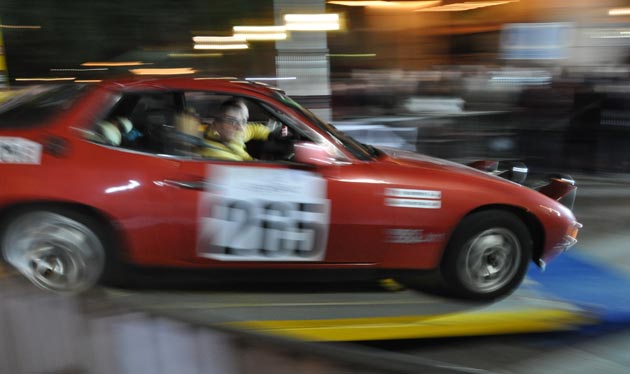
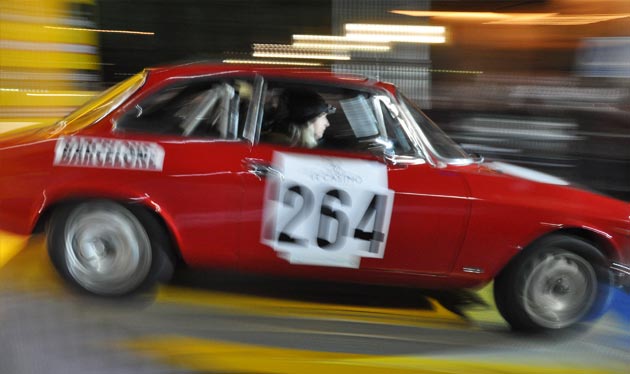
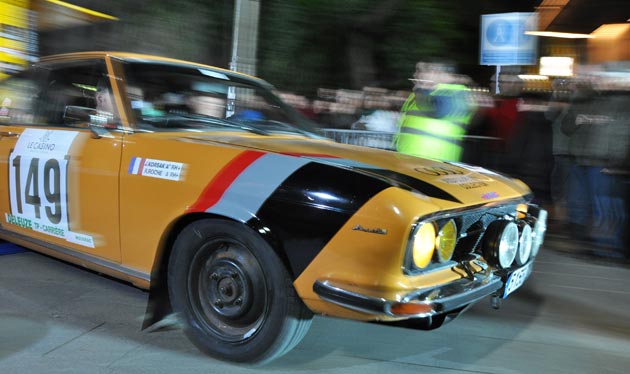
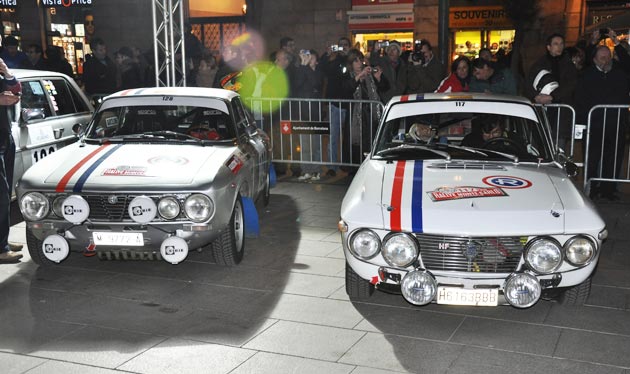
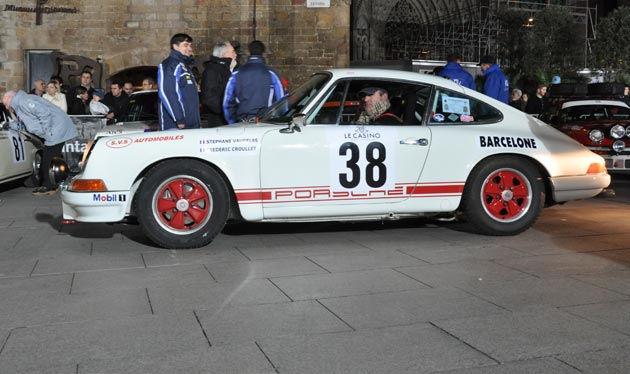
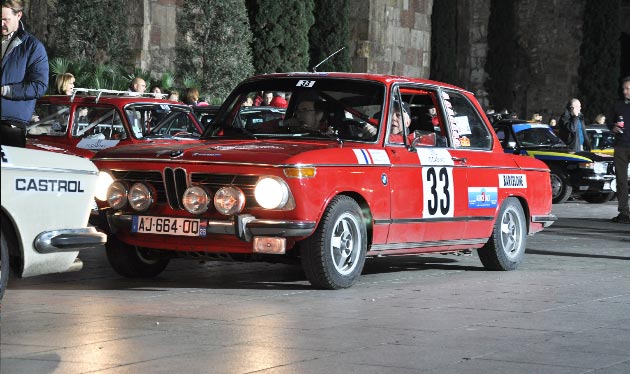
Rallye MONTE-CARLO HISTORIQUE 2010 – START IN BARCELONA

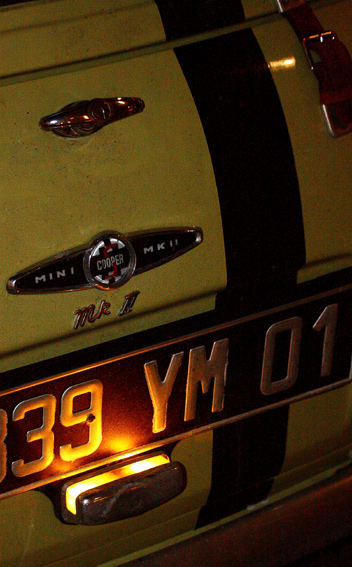
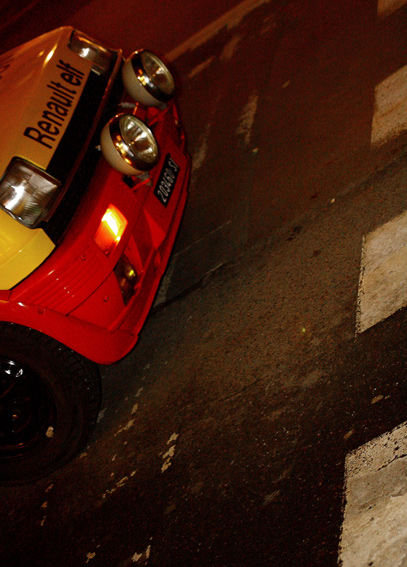
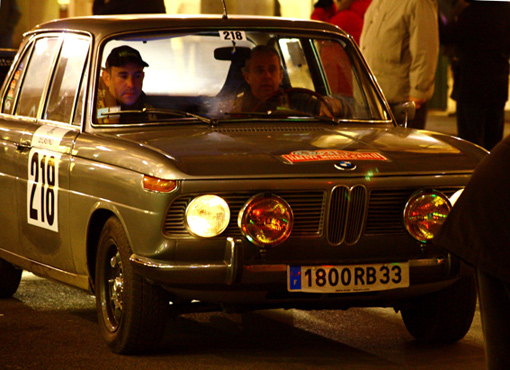
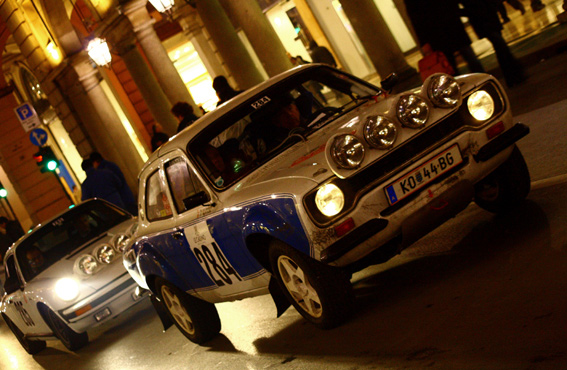
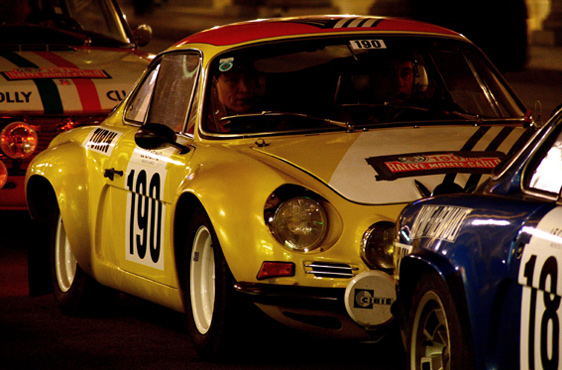
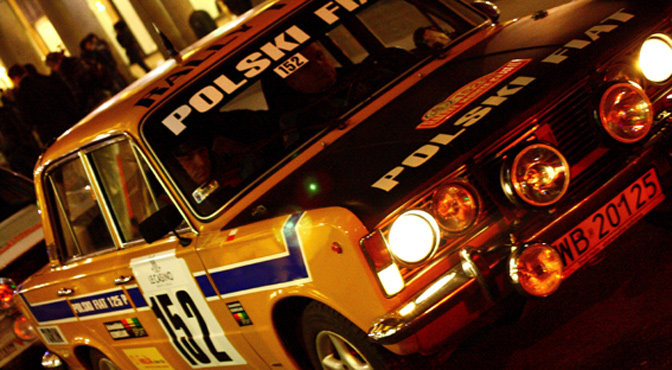
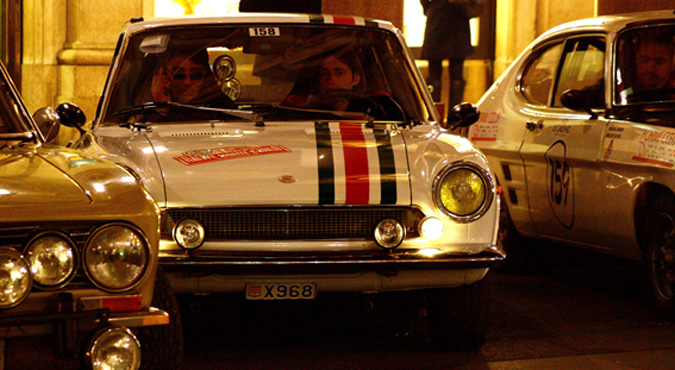
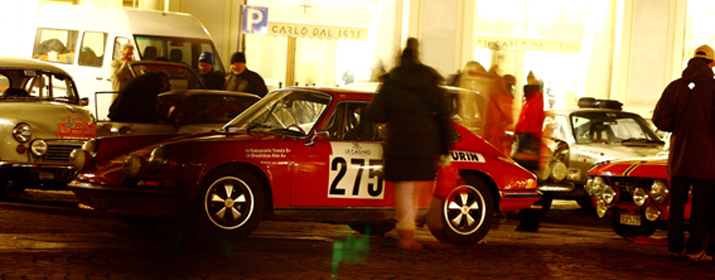
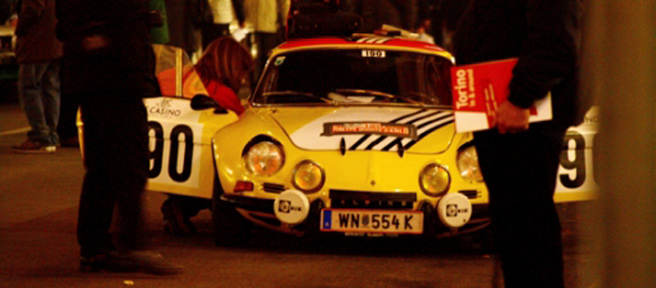
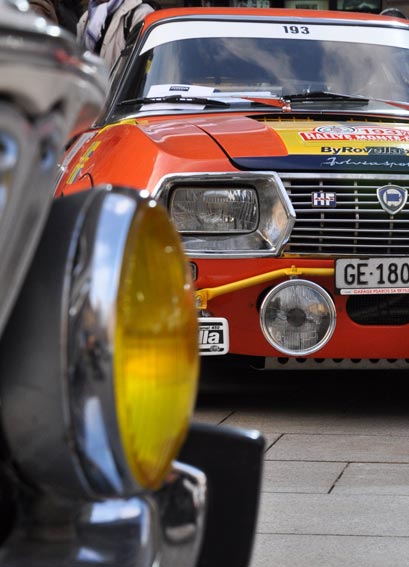
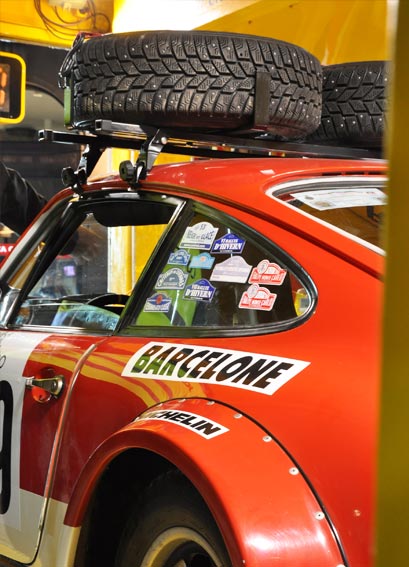
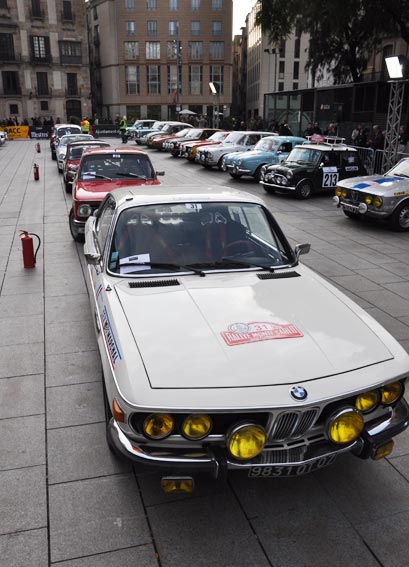
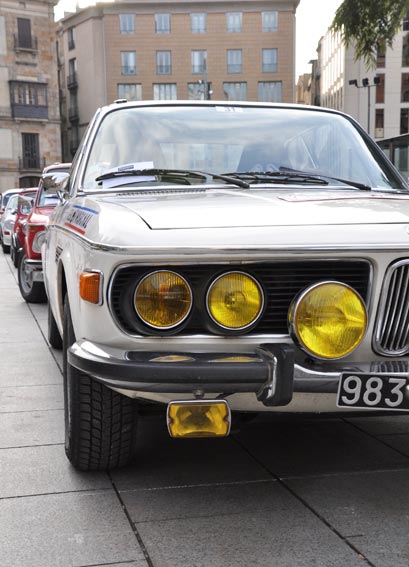
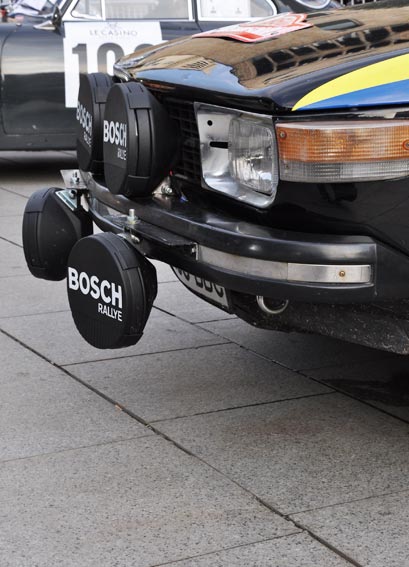
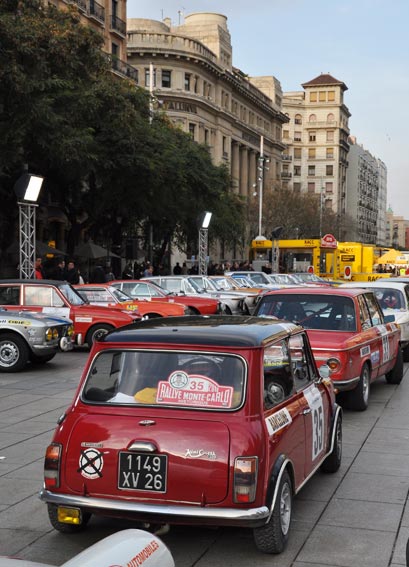
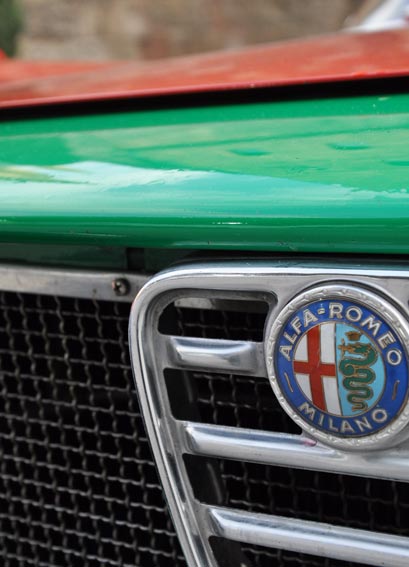
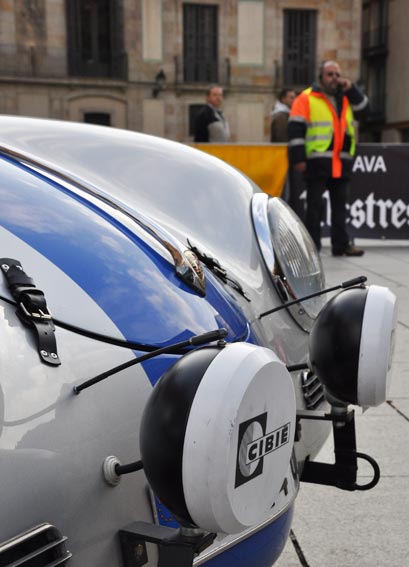
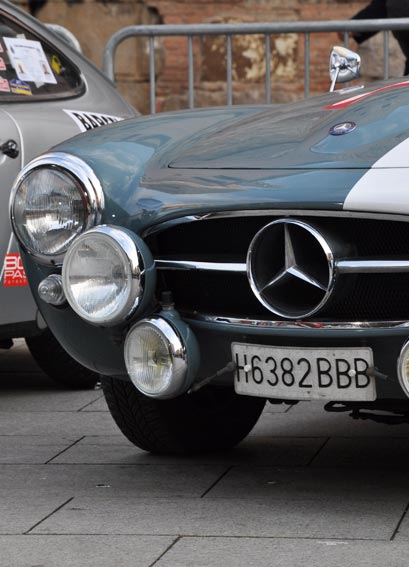
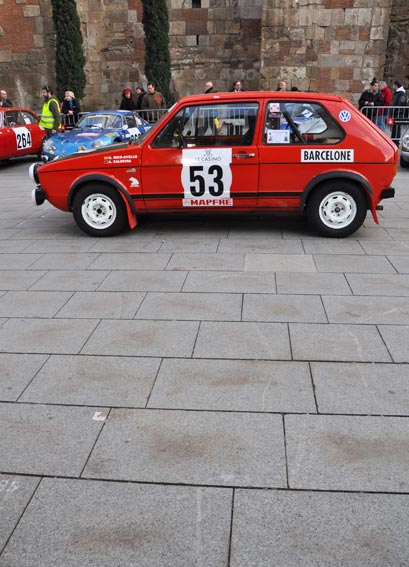
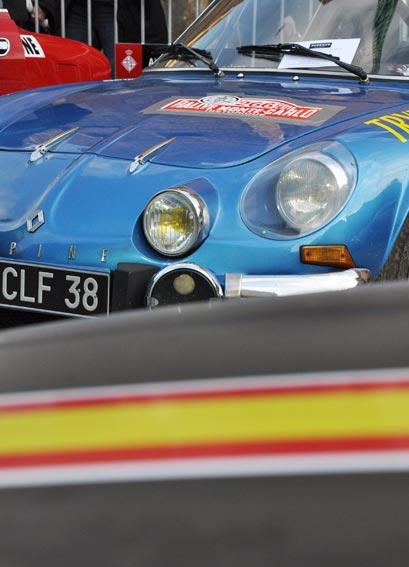
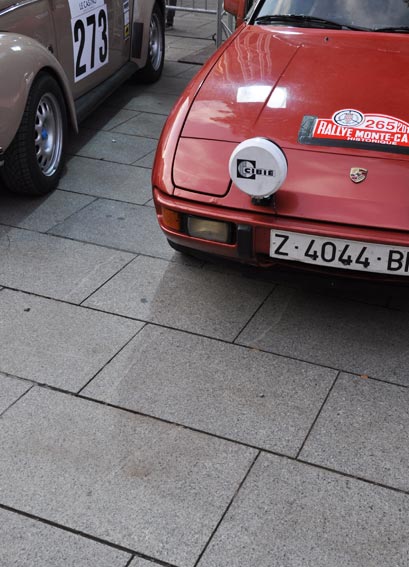
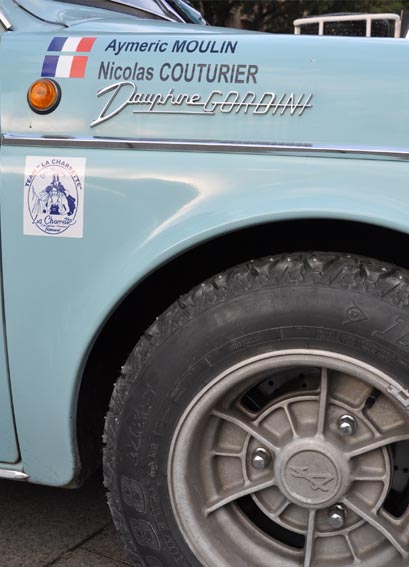
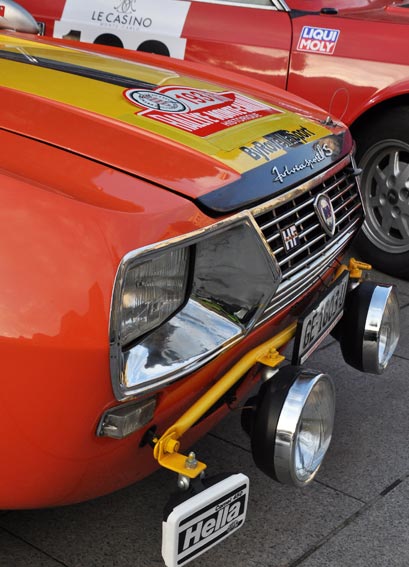
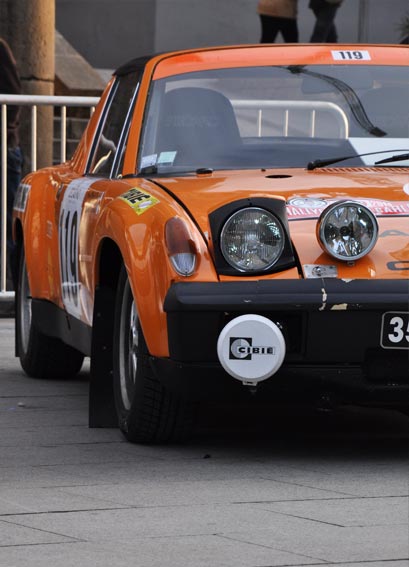
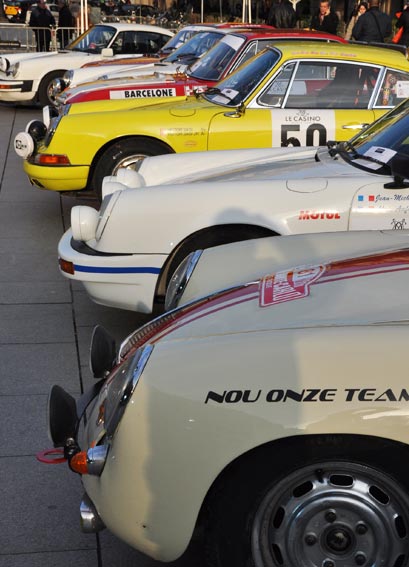
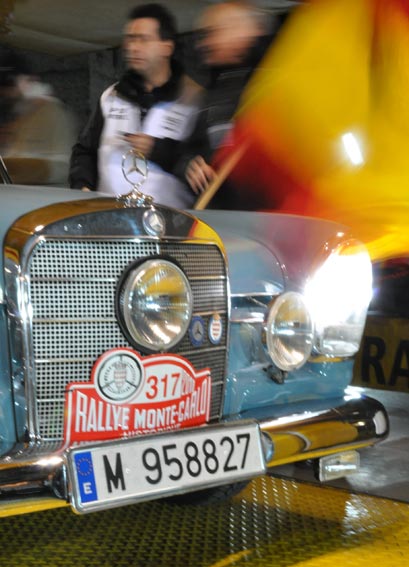
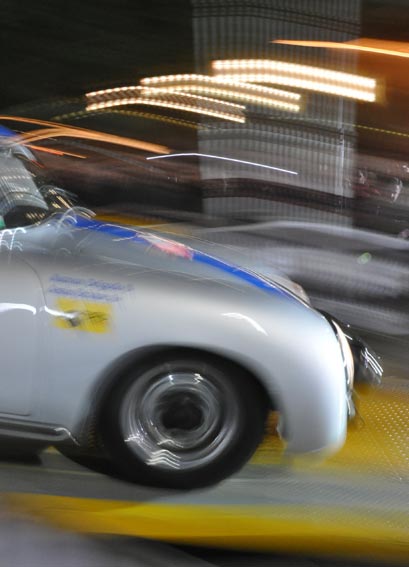
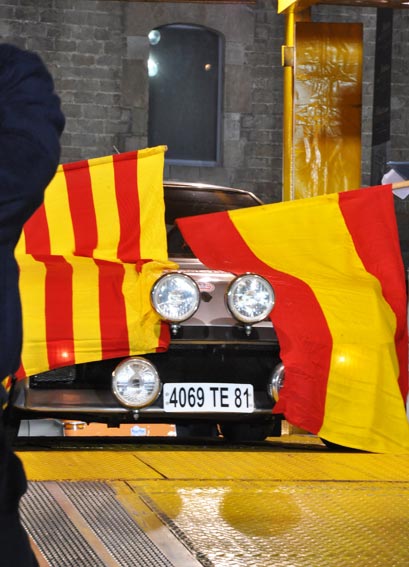
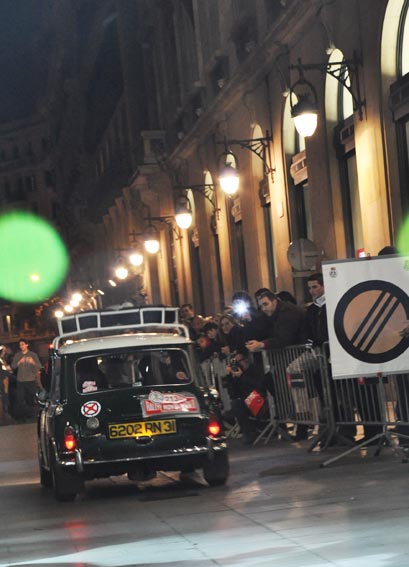
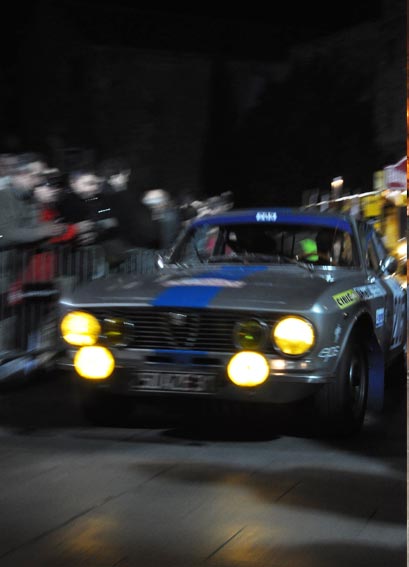
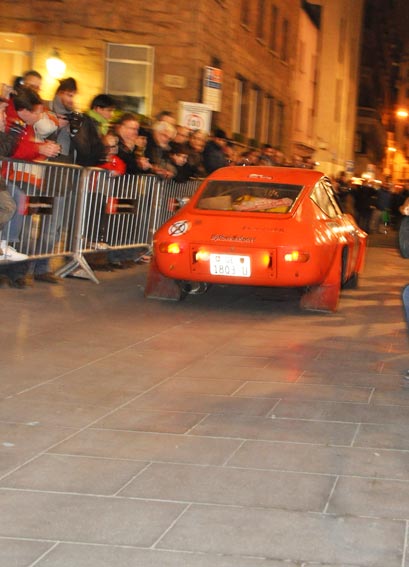
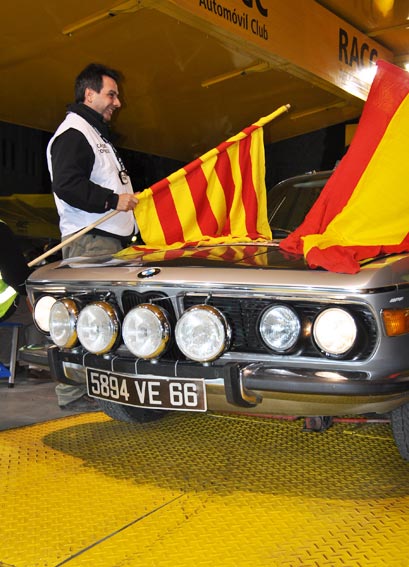
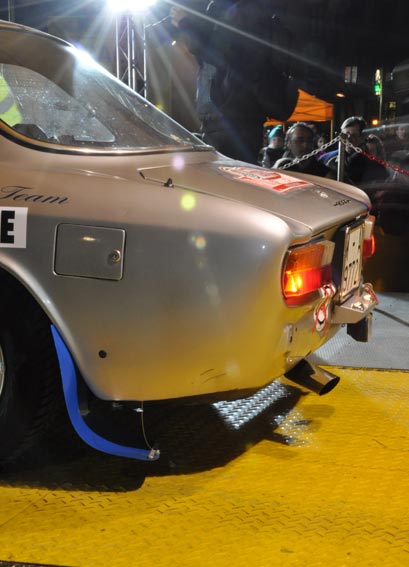
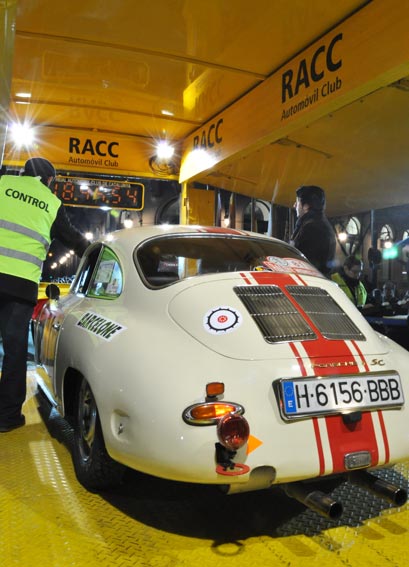
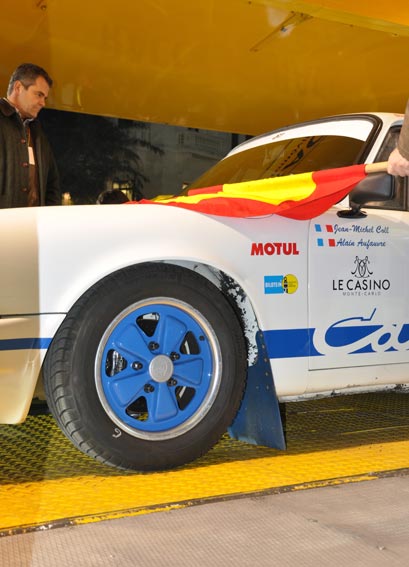
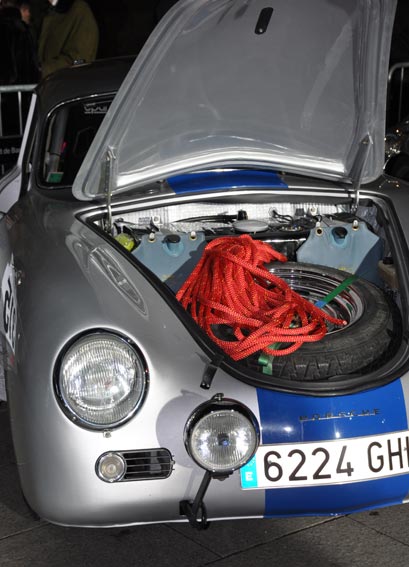
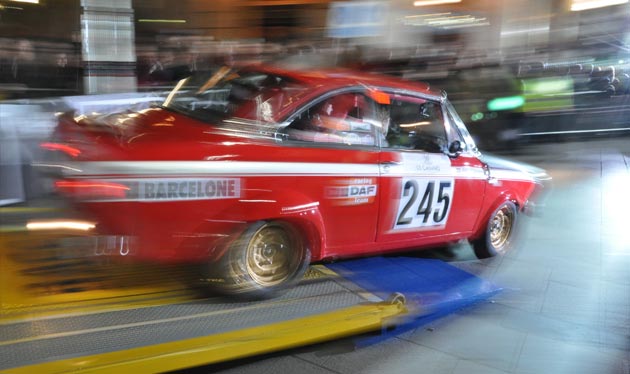
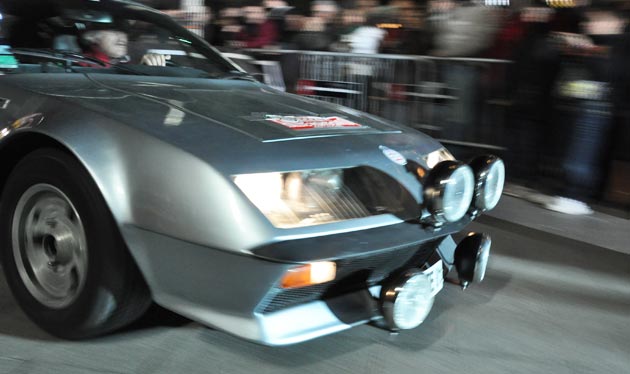
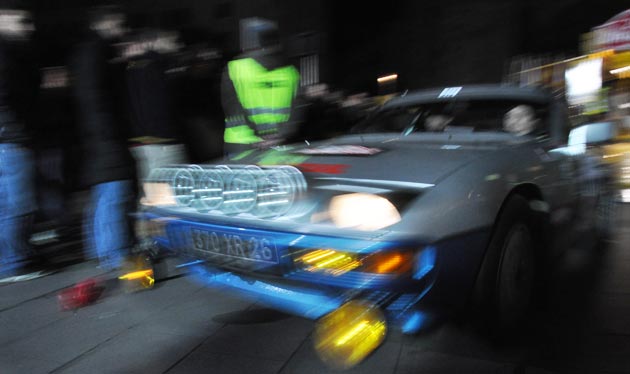
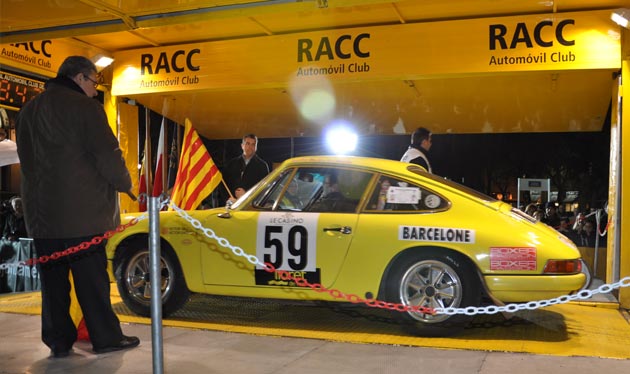
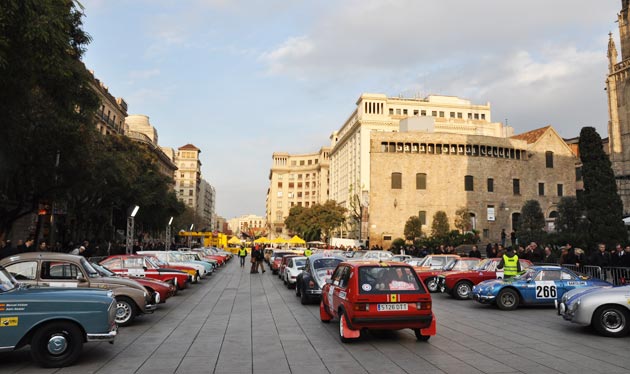
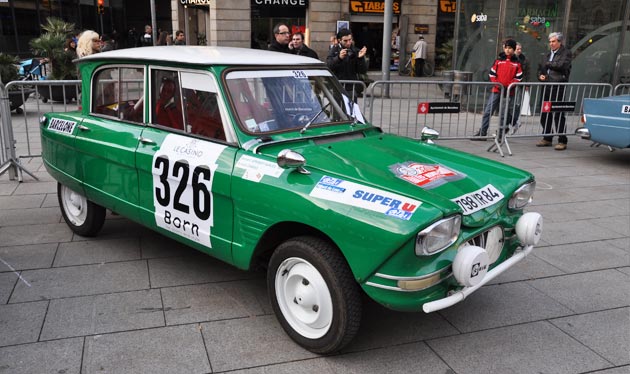
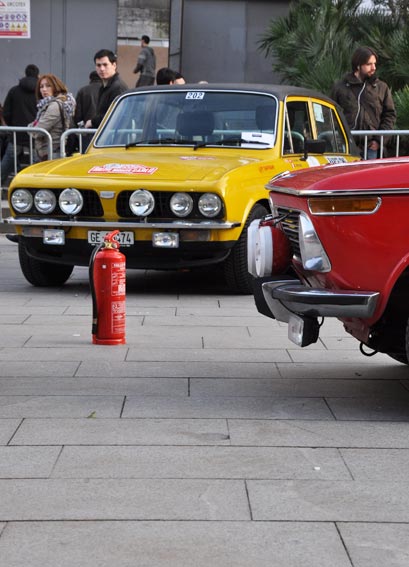
Gestern Abend machten sich mal wieder einige Klassiker auf ins Fuerstentum von Monaco. Die 60 Teilnehmer starteten vor der Kathedrale in Barcelona und treffen auf die 280 anderen Mitbewerber aus Turin, Copenhagen, Bad Homburg und Reims. 19 verschiedene Marken waren dabei: Porsche – mit 13 die zahlenmaessig ueberlegensten – , Alfa Romeo, BMW, Lancia, Volkswagen, Datsun, Innocenti, Ford, Mercedes-Benz, Audi, NSU, Saab, Triumph, Volvo, Morris-Mini, Renault, Alpine-Renault, DAF und Citroën.

Start 2009
Start 2008
Start 2008 Turin

rmc2010_35.jpgrmc2010_50.jpgrmc2010_34.jpgrmc2010_48.jpgrmc2010_73.jpgrmc2010_61.jpgrmc2010_74.jpg

rmc2010_75.jpgrmc2010_72.jpgrmc2010_71.jpgrmc2010_70.jpgrmc2010_69.jpgrmc2010_68.jpgrmc2010_67.jpgrmc2010_66.jpgrmc2010_65.jpgrmc2010_64.jpgrmc2010_63.jpgrmc2010_62.jpgrmc2010_60.jpgrmc2010_59.jpgrmc2010_58.jpgrmc2010_57.jpgrmc2010_56.jpgrmc2010_55.jpgrmc2010_54.jpgrmc2010_53.jpgrmc2010_52.jpgrmc2010_51.jpgrmc2010_49.jpgrmc2010_47.jpgrmc2010_20.jpgrmc2010_19.jpgrmc2010_18.jpgrmc2010_17.jpgrmc2010_16.jpgrmc2010_46.jpgrmc2010_45.jpgrmc2010_44.jpgrmc2010_43.jpgrmc2010_42.jpgrmc2010_41.jpgrmc2010_40.jpgrmc2010_39.jpgrmc2010_38.jpgrmc2010_37.jpgrmc2010_36.jpgrmc2010_33.jpgrmc2010_32.jpgrmc2010_31.jpgrmc2010_30.jpgrmc2010_29.jpgrmc2010_28.jpgrmc2010_27.jpgrmc2010_26.jpgrmc2010_25.jpgrmc2010_24.jpgrmc2010_22.jpgrmc2010_21.jpg

rmc2010_15.jpgrmc2010_14.jpgrmc2010_13.jpgrmc2010_12.jpgrmc2010_11.jpgrmc2010_10.jpgrmc2010_09.jpgrmc2010_08.jpgrmc2010_07.jpgrmc2010_06.jpgrmc2010_05.jpgrmc2010_04.jpgrmc2010_03.jpgrmc2010_02.jpgrmc2010_01.jpg

#RallyeMonteCarloHistorique

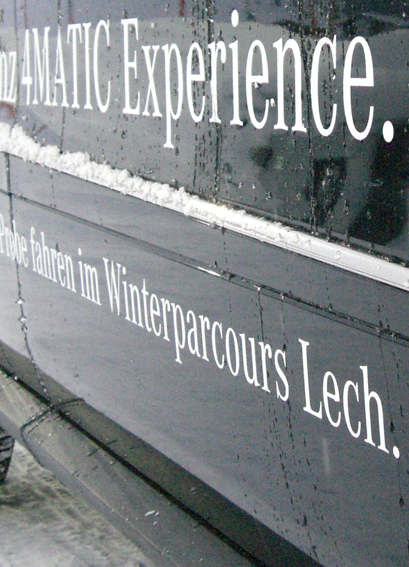
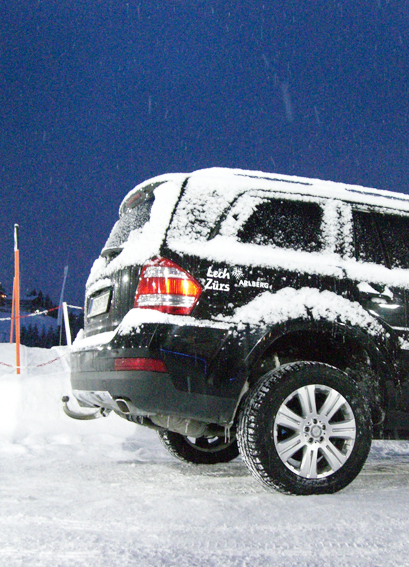
Mercedes-Benz 4MATIC Experience___Lech

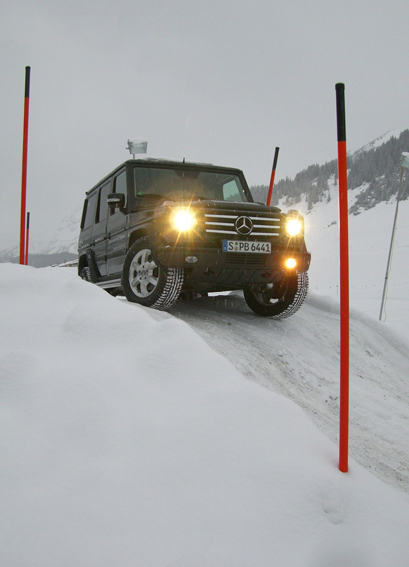
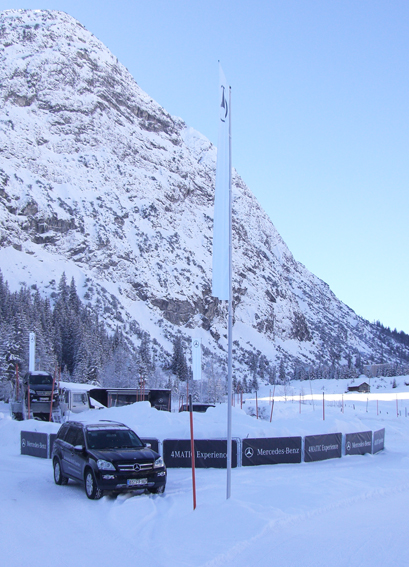
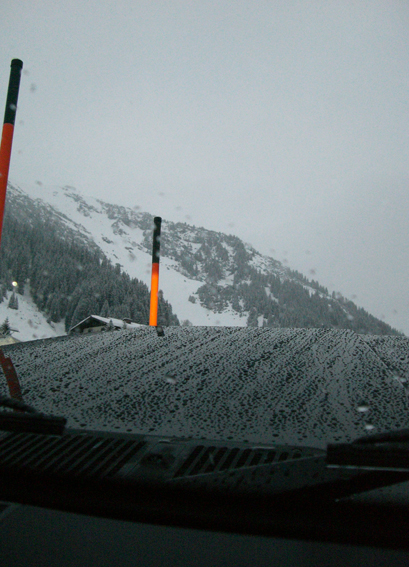
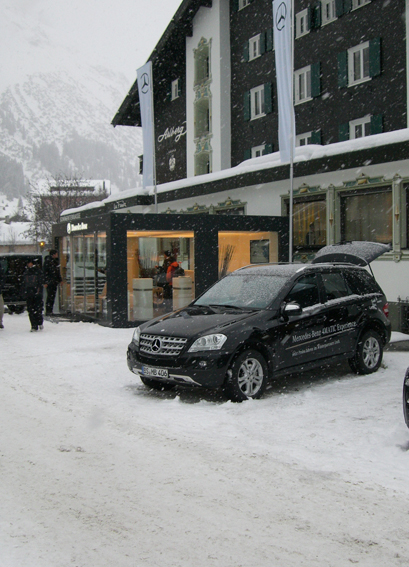
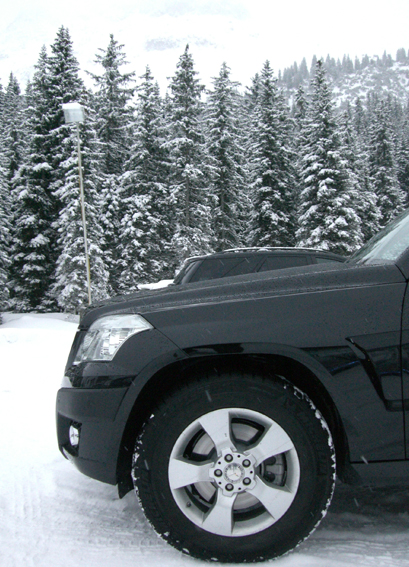
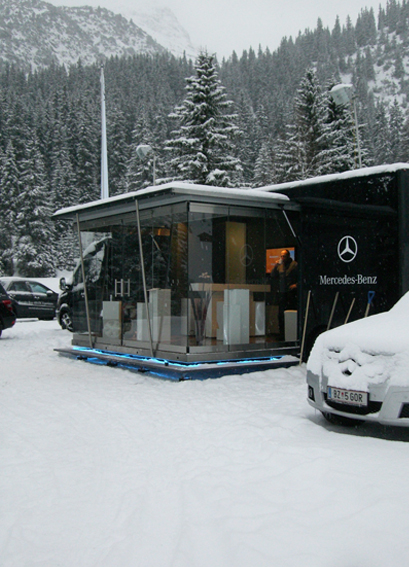
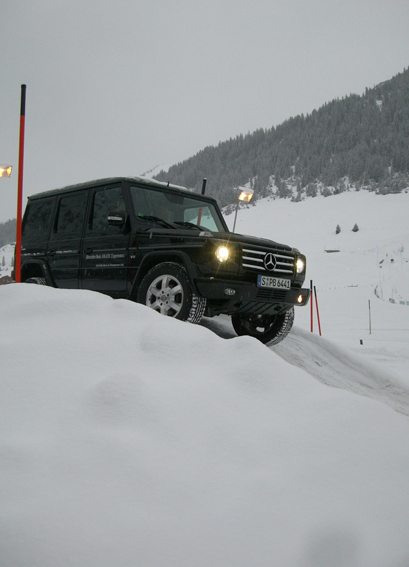
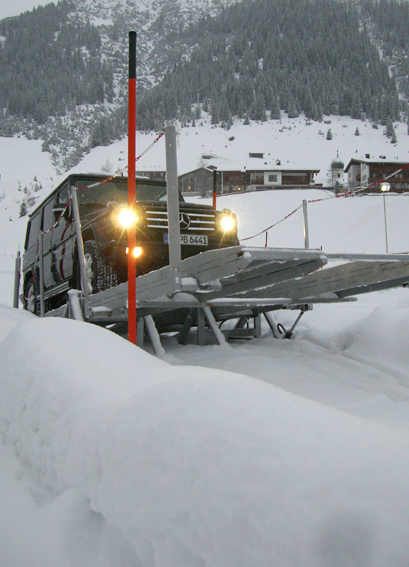
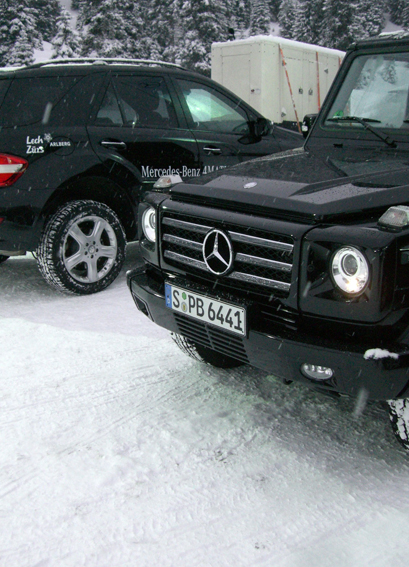
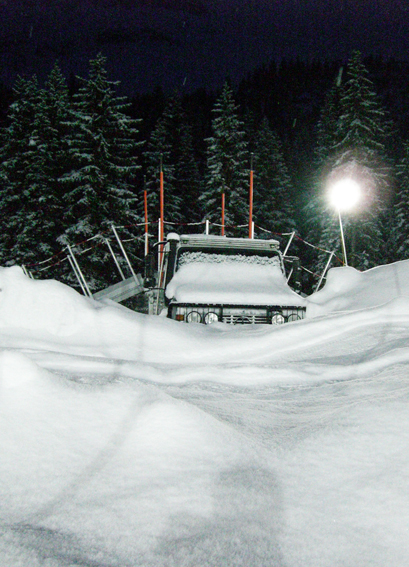
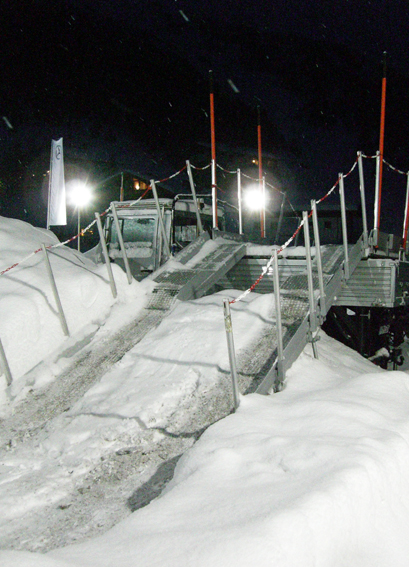
Noch bis Ende Januar und dann wieder ab Mitte März kann man in Lech in Österreich an der Mercedes-Benz 4MATIC Experience teilnehmen. Einfach im Pavillon anmelden und dann mit dem Shuttlebus durch den Wald ins nahegelegene Zug fahren, um auf einem kleinen aber extremen Offroad Parcours unter fachkundiger Anleitung die aktuellen Allradmodelle zu testen. Ich habe mir den G500 ausgesucht und mich mit Hilfe allerlei Achssperren souverän über Stock und Stein bzw hohe Hügel, eine Wippe oder Schräg -und Verwindungsfahrten gewühlt. ..

YouTube Video gibts hier.

mex11.jpgmex01.jpgmex06.jpg

mex15.jpgmex14.jpgmex13.jpgmex12.jpgmex10.jpgmex09.jpgmex08.jpgmex07.jpgmex05.jpgmex04.jpgmex03.jpgmex02.jpg

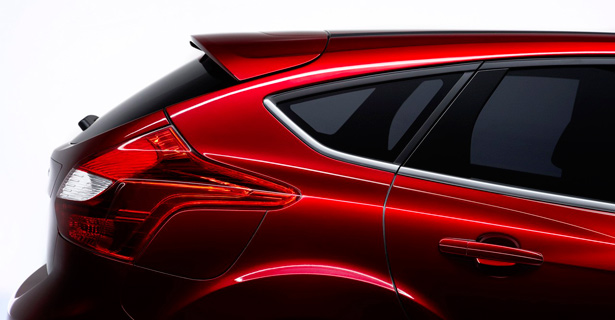
Der neue Ford Focus. ____Kinetic Design.

focus.jpg

‘Kinetic Design’ etabliert sich als weltweite Formensprache der Marke Ford. Anläßlich der Präsentation des neuen Ford Focus in Detroit hat uns Martin Smith, Executive Design Director Ford of Europe, exklusiv brennende Fragen zu Ford und Kinetic Design beantwortet.

Q) Last Focus was a rather evolutionary development to its predecessor. How would you describe the step to the next generation Focus?
A) The new Focus demonstrates our latest level of kinetic design and is a fundamental step forward. For such a key car it is important to retain a certain family resemblance so customers can clearly identify with its heritage, but this Focus is also totally new throughout.

Q) The Ford range in Europe seems now complete and coherent. What’s the next development after ‚Kinetic Design’? Will the ‚Kinetic Design’ form language also describe the future model line up in the US? Will we see also ‚kinetic’ Ford Trucks in the near future?
A) We are still developing the kinetic design language – a step forward in the new S-MAX and Galaxy we are just launching now and a leap forward with the new Focus – and we are working on future direction, but I can’t talk about that just yet. Future commercial vehicle designs in Europe will definitely be influenced by kinetic design, but the large trucks in the US are so specific in their application it remains to be seen if kinetic design will reach them as well.

Q) In the early nineties we saw lots of electric car concepts coming up (BMW E1, Opel Twin, Fiat ZIC, Fiat Downtown, Mercedes-Benz Vision A) Isn’t the todays euphoria the same like 15 years ago? Do you believe in the electric car? When can we buy the first electric Ford?
A) There are some interesting concepts around the electric car idea, but we believe that ultimately any successful electric vehicle will still have to offer the practicality of the cars we know today. We confirmed at the Detroit Show that an electric Focus is part of our new portfolio and will go on sale in North America and Ford is currently also working with both the German and British Governments on zero emission vehicle projects using the current Focus.

Q) You are also designing cars for the growing Chinese market. How do you respond specifically to the requests and wishes of the Chinese client? Are there specific China-only designs at Ford? Is ‚Kinetic Design’ also the right approach for the Chinese taste or are you developing your design language into a specific direction for the Asian/Chinese market?
A) We are already enjoying some success in China with our current product range and this proves that our kinetic design is as appropriate in this market as anywhere else. Indeed, we will be putting the new Focus into production there as well as in Europe and North America. I don’t believe that we need to design unique vehicles for Chinese customers as they want to drive what the rest of the world does.

Q) After separating/selling the former premium brands (Jaguar, Volvo, Land-Rover) of Ford Motor Company can we expect to see a development of the Ford brand into a more upmarket/premium direction?
A) I believe that we already demonstrate premium qualities in our products. The new S-MAX and Galaxy underline this and there is no doubt that the interior of the new Focus strongly enforces this as well. Ford has a specific place in the market and we will still continue to provide outstanding engineering, dynamics and value, but we also recognise the desires of customers for more luxury and equipment levels as well.

Q) Everybody is still today missing the Ford Capri. Is there a chance to see in the near future a model with the Capri heritage in the lineup? Or will this be fulfilled by a sporty Focus version?
A) The Capri had a special place in our history, but I don’t believe it would be right to try and replicate this today. We can address the needs of those customers looking for sporty performance with other cars, such as our Focus ST and RS and even the S-MAX.

Q) The previous Focus Convertible was not very well received on the market. Do you think the trend will be towards the more simple and more appealing, more classic soft top roof?
A) Actually the Focus Coupe Cabriolet was successful in its segment and customers do like the combination of a folding metal roof and open-air motoring, but what we will do in the future I can’t tell you right now.

Q) What is the main source of inspiration for you and your designers? The brand heritage? Nature? Fashion? New product design trends?
A) As designers we draw inspiration from many sources – amongst them modern architecture and fashion – but our main source of inspiration comes from the lively and creative team discussions we have with both our design leadership and young designers.

Q) Looking at the recent Ford design it seems that your designers do a very motivated job. How do you keep them happy in your design team?
A) We have a fantastically motivated global design team, which takes great encouragement from seeing its work reach production. This also gives us the scope to be adventurous with our conceptual work as we look further ahead. A car designer can’t really ask for more.

Q)What’s your favourite production car today (outside Ford)?
A) Any current Aston Martin. They are all beautiful, professionally-designed, cars.

Thank you very much.

Foto: Ford

Meilenwerk Stuttgart – Autogaleria Wolf

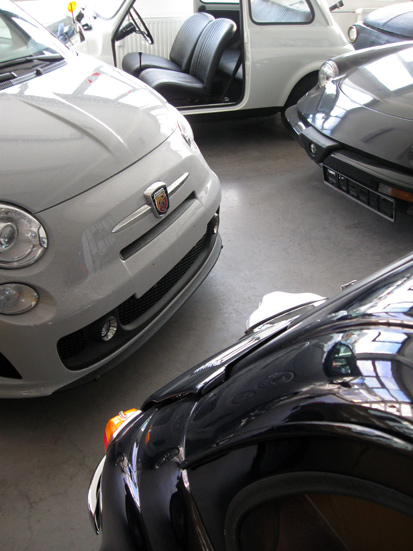
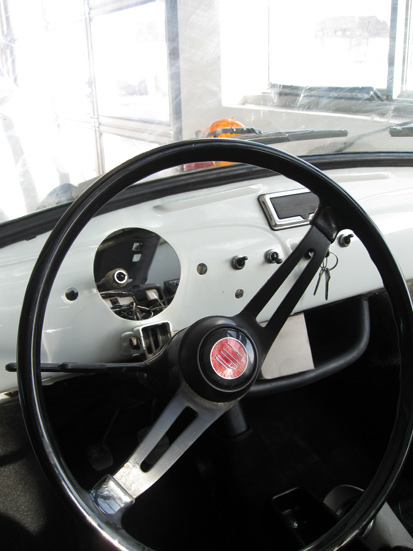
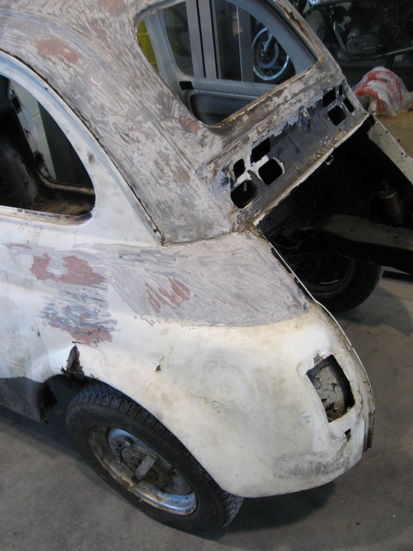
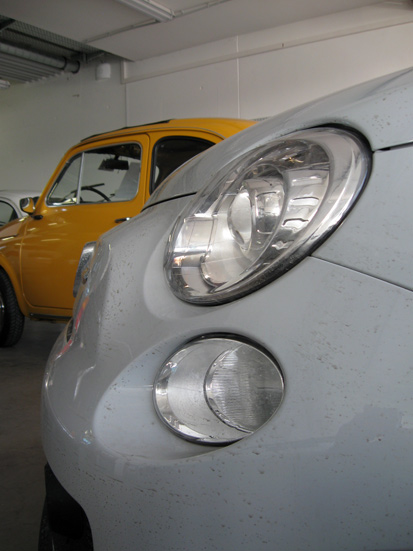
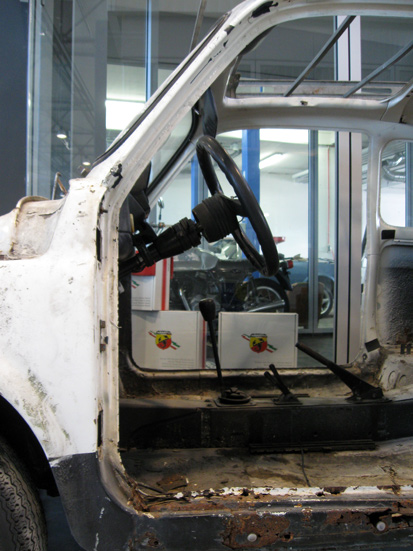
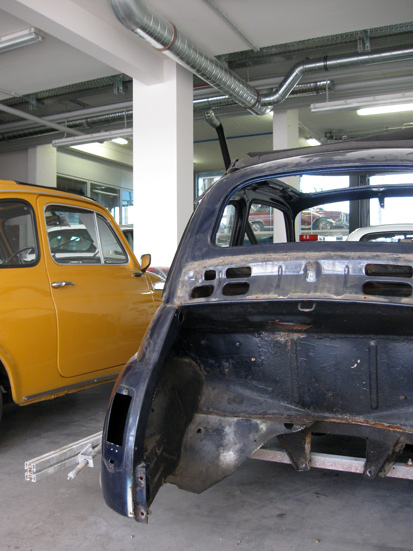
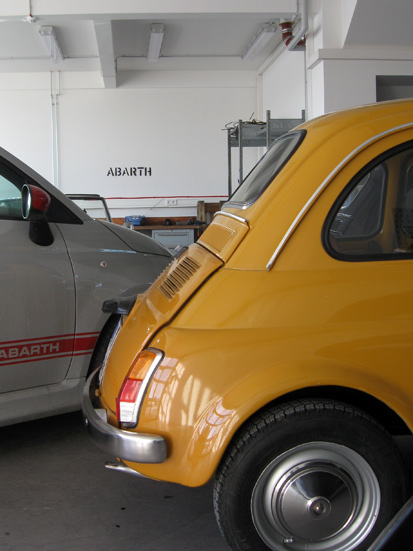
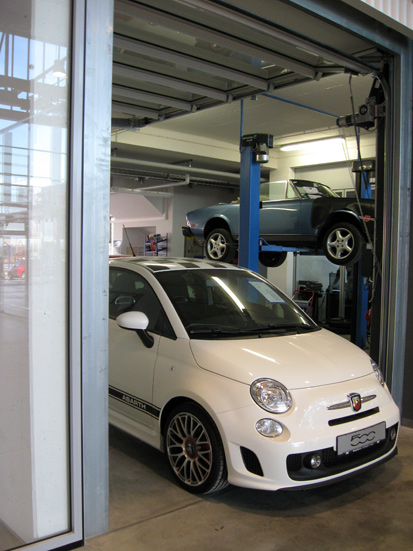
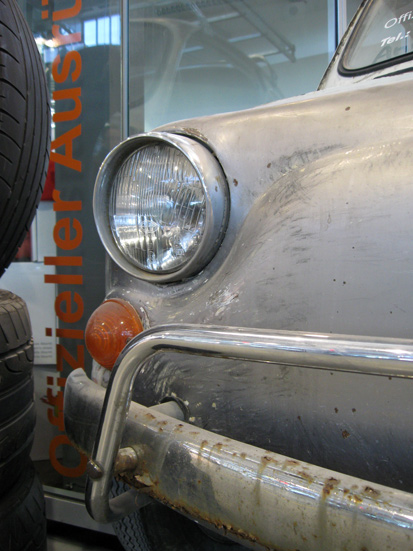
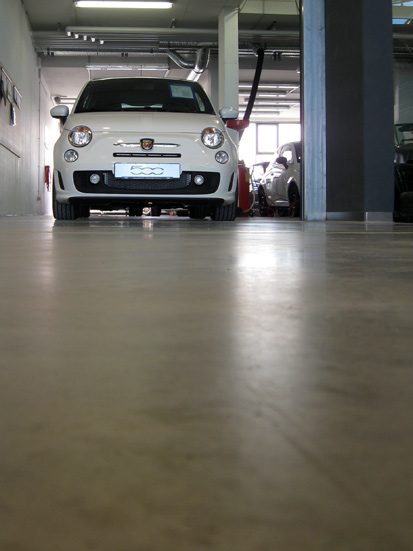
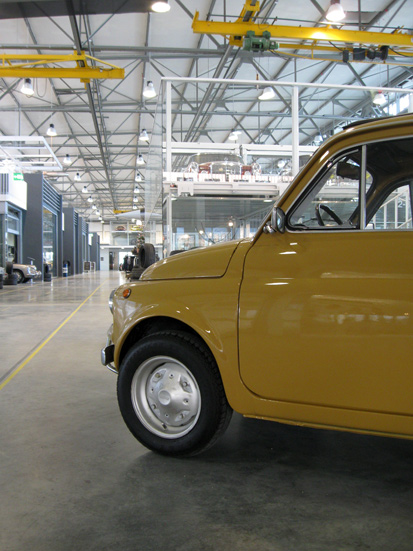
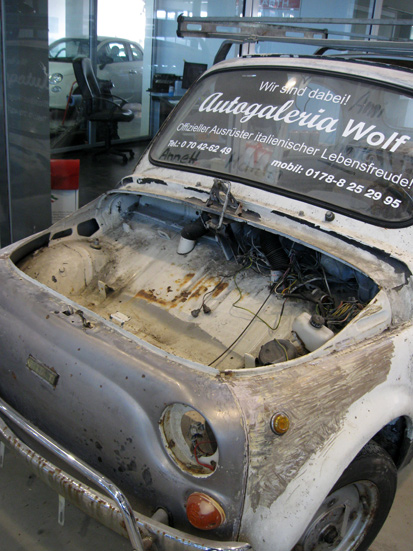
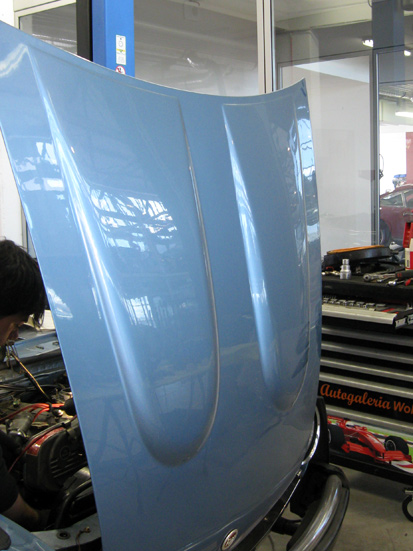
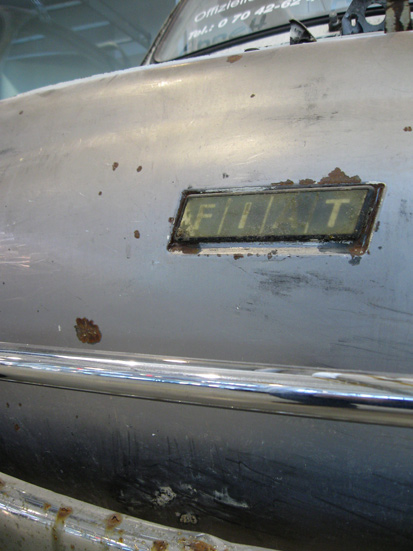
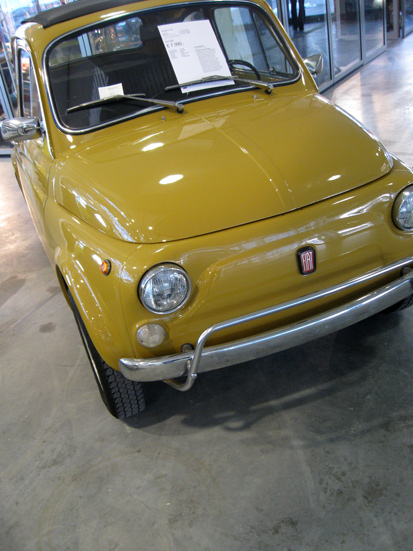
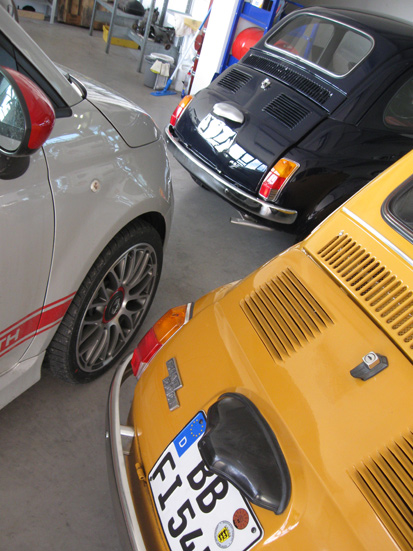
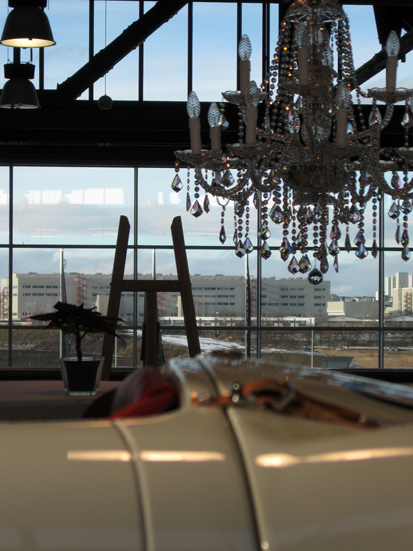
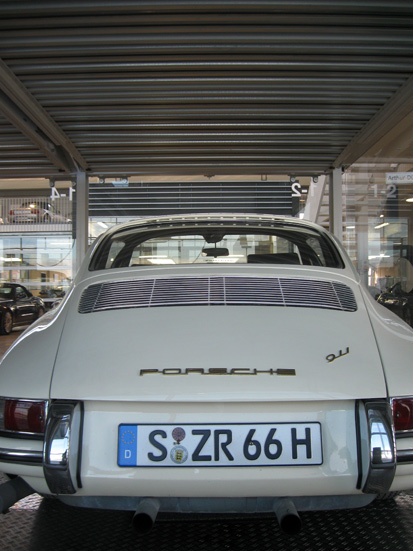
Das Sympathie-Highlight im Meilenwerk Stuttgart sind auf jeden Fall die vielen alten und neuen Cinquecentos von Autogaleria Wolf
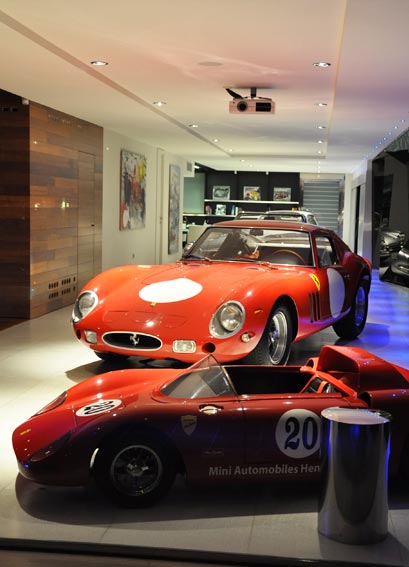
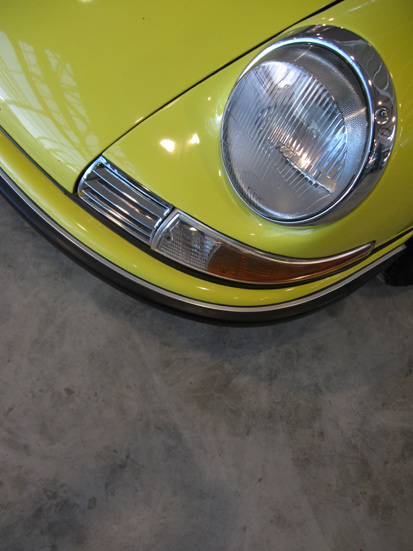
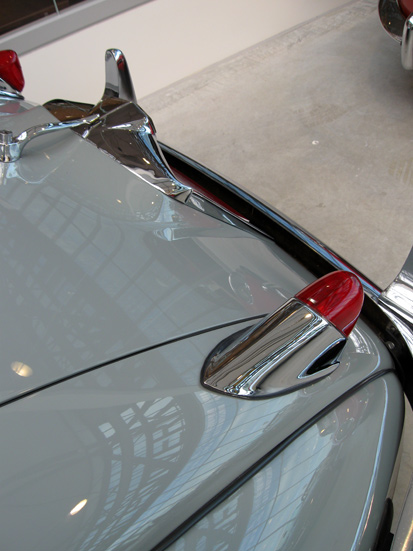
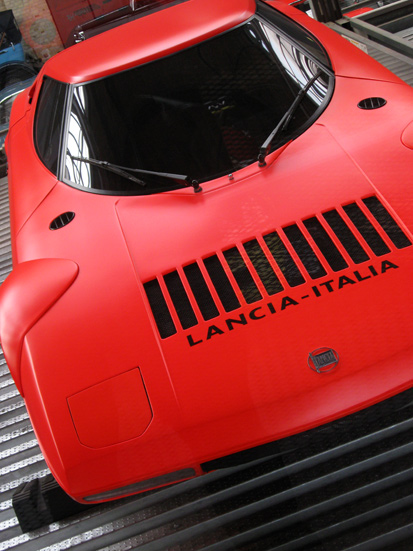
Autogaleria Wolf kümmert sich im Meilenwerk nicht nur um die italienischen Markenklassiker von Abarth, Fiat, Alfa Romeo, Lancia oder der kleineren Exklusivmarken Autobianchi, Bertone, Bizzarrini SpA, Intermeccanica, Iso, Siata und Zagato, sondern ebenso um feinste historische Fahrzeuge von Porsche und VW-Porsche.

Autogaleria Wolf

formfreu.de: Meilenwerk Stuttgart
formfreu.de: Fiat 500

mws30.jpgmws41.jpg
mw56.jpgmws39.jpg

mws34.jpgmws20.jpgmws21.jpgmws45.jpgmws92.jpgmws87.jpgmws22.jpgmws23.jpgmws36.jpgmws37.jpgmws40.jpgmws89.jpgmws91.jpgmws32.jpg

#Meilenwerk

Meilenwerk Stuttgart

Meilenwerk Stuttgart. Forum für Fahrkultur.

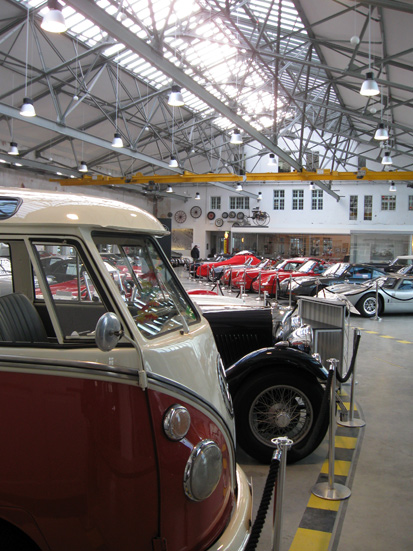
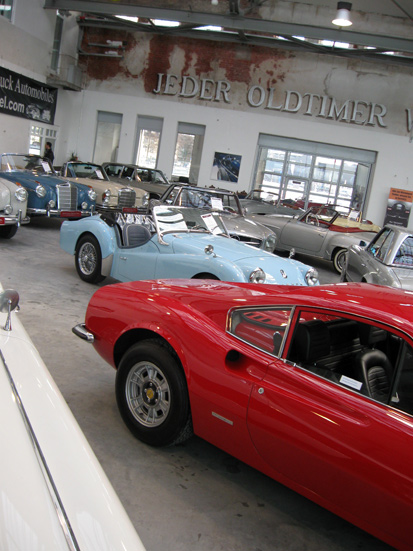
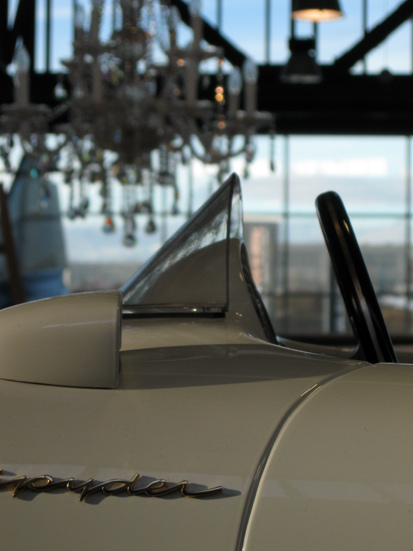
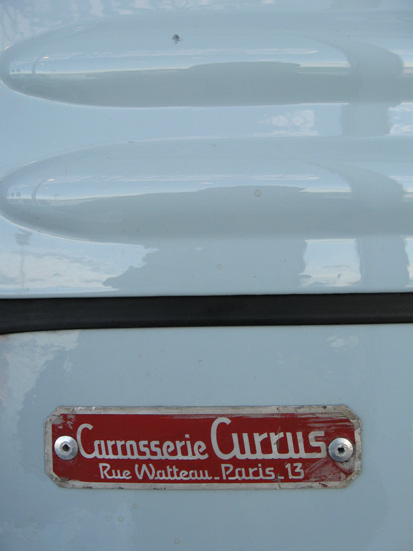
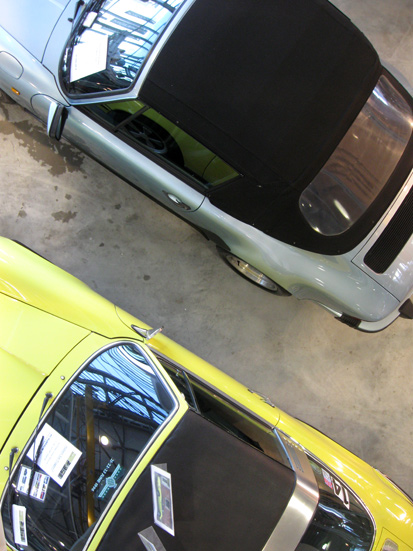
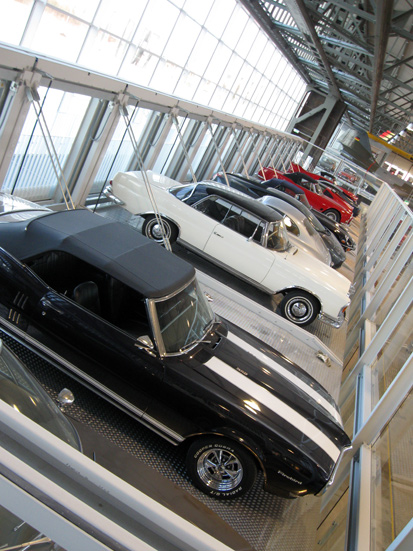
Benzinluft in den Hallen des ehemaligen Flughafens Böblingen schnuppern. Brummbrumm.

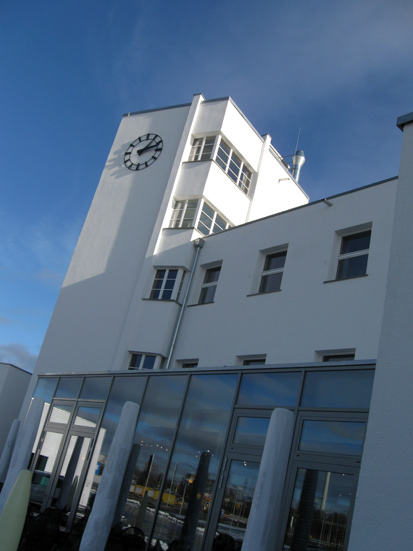
Der dritte Meilenwerk-Standort wurde vergangenen September eröffnet. Auf 25.000 qm Grundstücksfläche und 16.000 qm Meilenwerkfläche im ehemaligen umgenutzten und denkmalgeschützten Flughafen in Böblingen am Rande der Automobilstadt Stuttgart findet der Klassikerfreund alles, was sein Herz begehrt. Heiligs Blechle.

Meilenwerk. Forum für Fahrkultur.

formfreu.de: Meilenwerk Berlin
formfreu.de: Meilenwerk Düsseldorf
formfreu.de: Meilenwerk Düsseldorf #2

mws18.jpgmws71.jpgmws97.jpg

mws110.jpgmws86.jpgmws90.jpgmws25.jpgmws51.jpgmws27.jpgmws65.jpgmws13.jpgmws62.jpgmws02.jpgmws04.jpgmws17.jpgmws05.jpgmws96.jpgmws83.jpgmws94.jpgmws70.jpgmws11.jpgmws68.jpgmws09.jpgmws48.jpgmws53.jpgmws60.jpgmws50.jpgmws80.jpgmws66.jpgmws26.jpgmws28.jpgmws99.jpgmws46.jpgmws10.jpgmws47.jpgmws98.jpgmws19.jpgmws24.jpgmws14.jpgmws16.jpgmws84.jpgmws102.jpg

#Meilenwerk

Nissan Cube

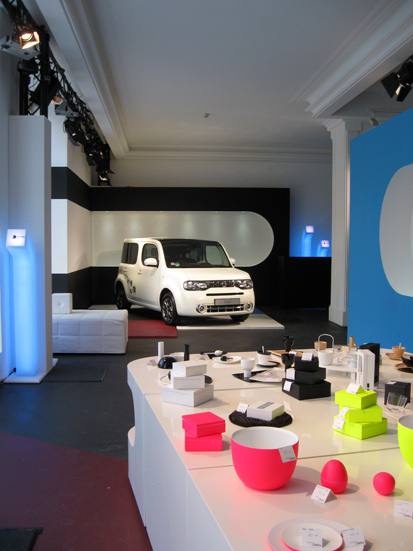
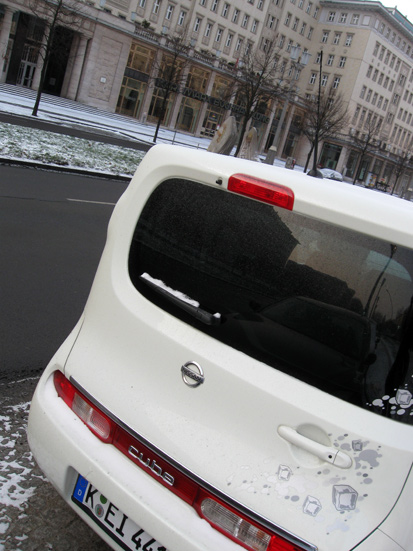
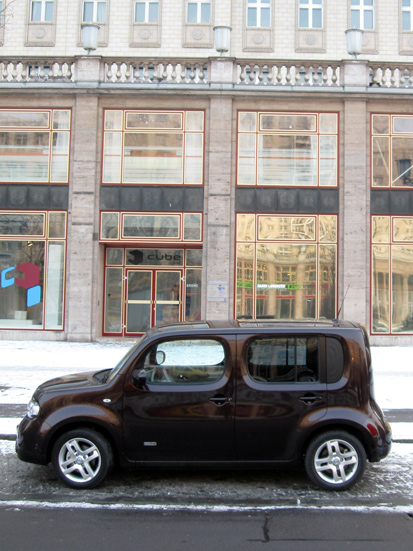
Der auffällige, würfelähnliche Nissan Cube kommt zwar erst im März auf den deutschen Markt, doch schon jetzt soll die Nachfrage in der anvisierten urban-trendigen Zielgruppe angeheizt werden. Wie schon in London und Paris wurde zu diesem Zweck vor ein paar Wochen in Berlin der CubeList Store eröffnet, ein konzeptioneller Pop-Up Shop, wo sich der Cityflitzer neben chicen Möbeln und japanischen Kinkerlitzchen zeigt. Nicht gerade entlang der üblichen Shopping-Trampelpfade gelegen, läuft im Café Palermo, einem Ladenlokal in einem der Stalin-Zuckerbäckerbauten auf der Karl-Marx-Allee, zudem ein exklusives Kultur- und Partyprogramm aus den Bereichen Fashion, Kunst, Film und Design: Modenschauen, interaktive Klangdesign-Performance oder japanische Kinofilme auf einer überdimensionalen Leinwand…

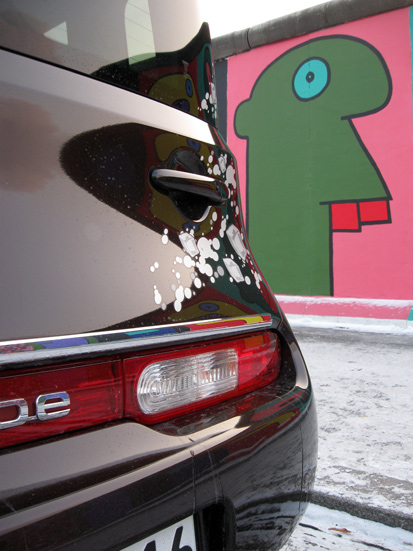
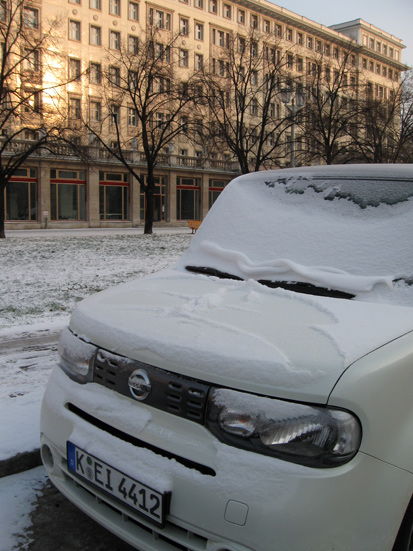
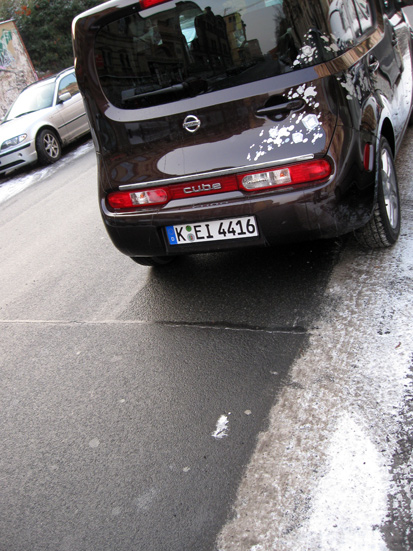
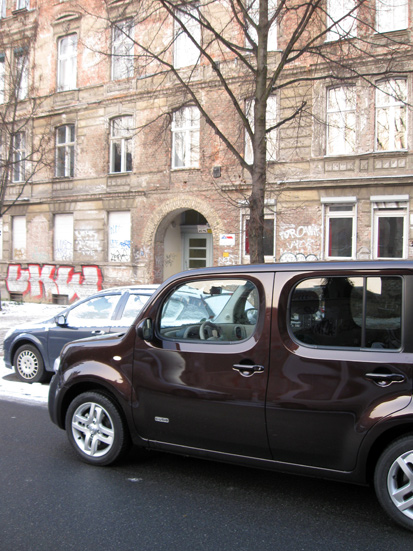
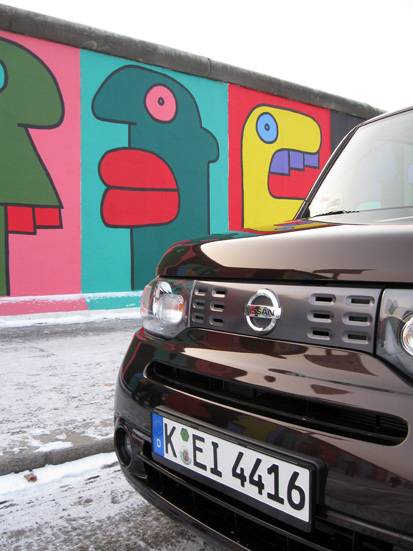
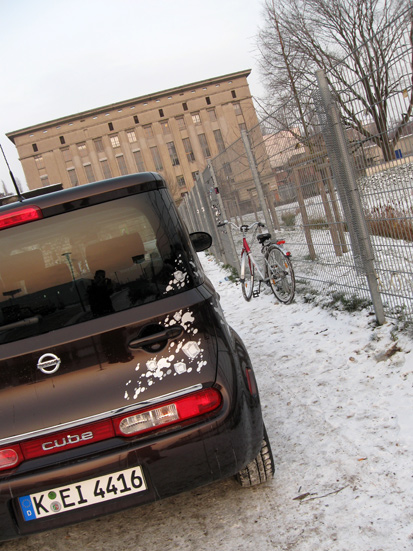
Pics vom Samstagnachmittag mit dem mokka-braunen Cube in Berlin. Schnörkellos, iPod-ig, klar und mit sehr japanischem Stil-Einschlag.

Die Öffnungszeiten des Berliner CubeList Store in der Karl-Marx-Allee 82-84 sind täglich von 12 Uhr bis 19 Uhr, noch bis Ende Dezember 2009.

CubeList

nc32.jpg

nc14.jpgnc20.jpgnc22.jpgnc18.jpgnc11.jpgnc31.jpgnc37.jpgnc01.jpgnc35.jpgnc06.jpg